To make your beverage brand stand out, pair a distinctive product with digital marketing shaped by real customer data. Research your drinkers, test flavors and packaging, then build a consistent identity and authentic stories around what makes your drink different. Choose channels your audience actually uses, collaborate with relevant creators, and give every campaign a clear path to purchase. Track sales, engagement, and repeat orders to refine your approach, strengthen loyalty, and spot what’s worth trying next.
Key Takeaways
- Research purchase data, customer feedback, and repeat sales to identify target drinkers, popular flavors, and promising product formats.
- Build a consistent digital identity across your website, social channels, and store, using distinctive visuals and an authentic brand voice.
- Tell compelling stories about your beverage’s ingredients, origins, values, and everyday occasions through videos, product pages, and customer content.
- Choose digital channels based on audience behavior, then track engagement and conversions to focus effort on what performs best.
- Encourage loyalty with relevant offers, convenient formats, and consistent availability, refining products and marketing as preferences change.
Research Your Target Drinkers
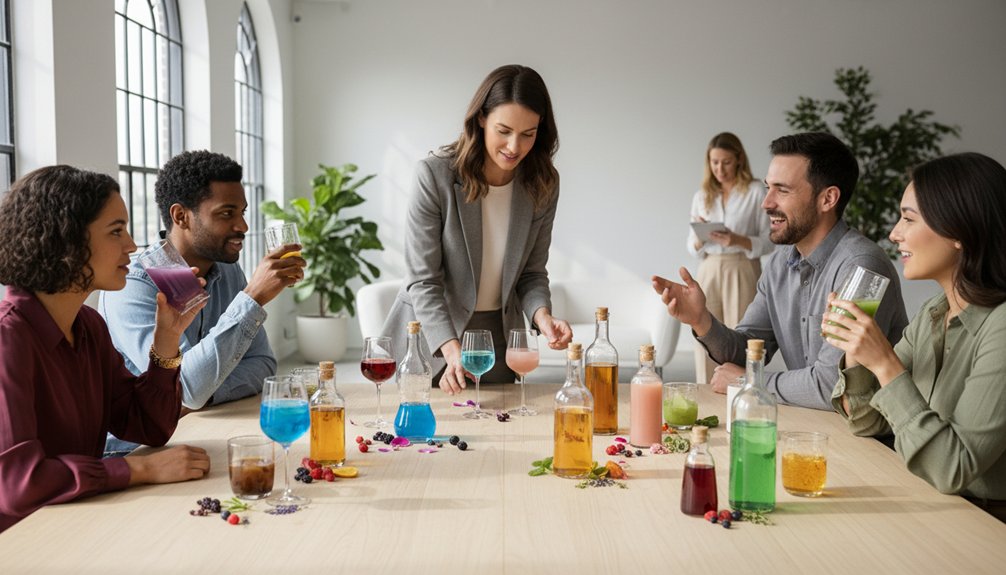
Before you choose a campaign, find out who’s most likely to buy your drink. Study purchase data, retail sales, search trends, and customer surveys to identify your strongest audiences. Compare age, location, spending habits, and preferred occasions, then look for patterns across channels.
Do buyers want a low-sugar energy boost, a functional wellness drink, or a familiar treat? Test flavor profiles with focused samples and track repeat purchases, not just first impressions.
Review packaging innovations competitors use, from resealable cans to clear ingredient labels, and ask shoppers what improves convenience or trust.
Use these findings to refine your product, price, pack size, and distribution. Recheck the data as tastes shift; emerging preferences can reveal underserved drinkers and help you prioritize products with clear market demand.
Define Your Beverage Brand’s Digital Identity
Give your beverage brand a consistent digital identity across your website, social channels, and online store. Align your visual identity with what makes your drink distinctive, from its ingredients and flavor profile to its packaging. Use consistent colors, typography, photography, and product descriptions so shoppers recognize your cans or bottles wherever they encounter them.
Shape a brand voice that fits your audience and category. A sparkling water brand might sound crisp and invigorating, while a functional beverage could use clear, confident language to explain its benefits without overpromising. Keep that voice consistent in captions, product pages, emails, and customer replies.
As beverage trends shift toward convenience, wellness, and sustainability, show how your product fits without chasing every fad. Make your digital presentation easy to scan, mobile-friendly, and accessible.
A cohesive identity helps customers understand your offer, remember your brand, and choose your drink with confidence.
Use Data to Guide Beverage Marketing
Use sales, website, and social data to see which beverage flavors, formats, and messages resonate with your audience. Compare repeat purchases, product-page views, and customer comments to spot demand for low-sugar recipes, functional ingredients, or convenient single-serve packs.
These signals can guide Flavor innovation: test a new botanical blend or seasonal variety, then track trial and repeat sales before expanding production. Review feedback on bottle size, portability, and shelf appeal to refine Packaging design.
Segment results by customer type and region so you can distinguish broad trends from niche preferences. Set clear measures, such as conversion, reorder rate, and satisfaction, and review them regularly.
When performance shifts, adjust your product mix or claims based on evidence—not assumptions. You’ll make smarter decisions, reduce costly guesswork, and keep your beverage lineup relevant as tastes evolve.
Choose Digital Channels for Beverage Marketing
Choose channels based on where your beverage buyers spend time, using audience and engagement data to guide your mix.
Prioritize short-form video to showcase products in formats audiences are watching.
Strengthen local search so nearby customers can find your drinks and retailers.
Match Channels to Audiences
Where does your audience spend time online? Match each channel to the people most likely to discover, consider, and buy your beverage. Use customer surveys, sales data, and platform analytics to identify where your target shoppers engage, then focus your budget there.
If younger consumers explore new drinks on social platforms, build a presence where they already follow food, fitness, or lifestyle trends. If your buyers seek product details before purchase, strengthen your website, email, and retailer listings.
Let your product guide the message. Highlight Flavor innovation on channels where curious shoppers compare ingredients and taste profiles; showcase packaging aesthetics where visual discovery drives attention.
Track clicks, saves, product-page visits, and conversions by audience segment. Review results regularly, shift spend toward channels that deliver qualified traffic, and tailor each message to the platform’s audience and buying intent.
Prioritize Short-Form Video
Short-form video can turn a quick scroll into a first taste of your beverage’s story. Use short form videos on platforms where your audience already watches and shares clips.
Show the pour, fizz, color, and texture in the opening seconds, then highlight what makes your drink distinct: its ingredients, flavor, or convenient format. Pair visual storytelling with captions and sound that fit current viewing habits, while keeping your brand recognizable across every post.
Test several hooks, lengths, and creative styles rather than guessing what’ll perform. Track completion rates, replays, saves, shares, and click-throughs to see which product moments hold attention and prompt action. Use those results to refine your next batch of videos.
Keep claims accurate, disclose partnerships, and make each clip easy to understand with or without sound. A steady publishing rhythm helps you learn without sacrificing quality.
Strengthen Local Search
Local search helps nearby customers find your beverage when they’re ready to buy. Claim your business listings on Google and other relevant platforms, then keep hours, addresses, menus, and product availability accurate. Add crisp photos of your cans, bottles, and displays so shoppers recognize your brand in stores.
Use local search optimization to match your pages and listings with terms customers actually use, such as “craft soda near me” or “low-sugar drinks in Austin.” Encourage satisfied buyers to leave reviews, and respond promptly to questions and feedback. Reviews can influence both visibility and purchase decisions.
Apply geographic targeting to promote seasonal flavors, retail launches, and sampling events within practical travel distances. Track calls, direction requests, clicks, and store visits by location. Compare results across neighborhoods, then shift spend toward areas where interest and sales are strongest.
Keep local campaigns aligned with inventory.
Build Stories That Strengthen Beverage Marketing
Share your brand’s origins to show what sets your beverage apart, from its ingredients to its founding purpose. Then highlight real moments—customer reactions, serving rituals, or behind-the-scenes snapshots—that make the product relatable.
Track engagement and conversions to learn which stories resonate with today’s consumers.
Share Brand Origins
A compelling origin story gives your beverage brand a reason to stand out beyond flavor and packaging. Explain why you created the drink, which ingredients shaped its formula, and how your production choices reflect your values.
This kind of Brand storytelling helps customers understand what makes your product distinct in a crowded market.
If your recipe draws on family traditions or regional methods, connect those details to Heritage preservation without making heritage feel like a marketing prop. Show how you honor the source through sourcing, craft, or partnerships. Keep claims specific and verifiable; consumers increasingly expect transparency about ingredients and origin.
Use your website, product pages, and short-form video to tell the same clear story, adapting the format while preserving the facts. Track engagement, product-page visits, and conversion rates to learn which origin details resonate and refine your message accordingly.
Highlight Real Moments
When customers enjoy your beverage at a picnic, after a workout, or during a late-night study session, those real moments can make your brand more relatable. Show how your drink fits naturally into these occasions, highlighting its flavor, format, and practical benefits.
Use Visual storytelling to capture authentic customers, not polished scenes that feel staged. Short videos and customer photos can reveal how your product travels, refreshes, or supports daily routines.
Invite buyers to share their own experiences, then feature standout posts with permission. Track engagement, saves, and click-throughs to learn which moments resonate and guide future content.
Pair these insights with experiential marketing, such as tastings at fitness events or outdoor gatherings. When people sample your beverage in context, you connect product benefits with memorable experiences—and give them a genuine reason to share your brand.
Create Social Content for Beverage Marketing
To earn attention in crowded feeds, create beverage content that pairs sharp visuals with useful, timely stories. Show your drink’s color, texture, pour, and packaging design in short videos or crisp carousels.
Use Flavor pairing ideas to connect your product with seasonal ingredients, popular snacks, or simple recipes your audience can try.
Track saves, shares, completion rates, and clicks to see which formats and messages drive action; use those signals to refine your next post.
Adapt each asset to the platform, adding captions for silent viewing and clear calls to action that guide people toward product details or purchase.
Follow emerging formats, but keep your brand’s voice and product benefits consistent.
Test hooks, visuals, and posting times, then compare results over time.
Let audience behavior—not assumptions—shape your content calendar.
Partner With Creators Who Reach Your Drinkers
Choose creators whose audiences match your drinkers, not just those with the largest followings. Review their age demographics, location, engagement quality, and content themes to confirm a fit with your beverage and target market.
A sparkling tea may suit wellness-focused recipe creators, while a craft soda could resonate with local food reviewers. Track saves, shares, comments, and video completion rates to compare performance across platforms and creator tiers.
Build influencer collaborations around authentic product experiences, such as taste tests, pairing ideas, or behind-the-scenes sourcing. Give creators clear product facts and brand guidelines, but let them speak in their own voice. Their audience knows when a recommendation feels forced.
Encourage user-generated content by inviting drinkers to share original recipes or tasting notes, then feature standout posts with permission. Review sentiment and recurring feedback to refine your creator mix and messaging.
Turn Beverage Marketing Engagement Into Sales
Engagement drives sales when you connect each interaction to a clear next step, such as finding a nearby retailer, claiming an offer, or buying online. Make those actions easy to spot in social posts, creator content, and digital ads.
Match each call to action with the product feature that sparked interest: Flavor innovation can draw trend-seeking shoppers, while packaging design can help your drink stand out on a crowded shelf.
Use trackable links, QR codes, and offer codes to measure which messages and channels generate clicks, store visits, and purchases. Then compare results by audience, format, and retailer, and shift budget toward the combinations that convert.
Keep product details, availability, and pricing accurate across every destination so shoppers can act confidently and complete the purchase without unnecessary friction.
Build Loyalty After the First Beverage Purchase
Reward repeat purchases with points or product perks, then use purchase data to tailor offers to your customers’ favorite flavors and formats.
As functional drinks and low-sugar options gain traction, personalized recommendations can keep your brand relevant.
Help customers make your beverage part of a daily ritual with timely reminders and easy reordering.
Reward Repeat Purchases
Once customers try your beverage, give them a clear reason to come back. Build a simple rewards program that recognizes repeat purchases with points, discounts, or early access to limited releases. Make redemption easy at checkout, whether customers buy online or in stores.
Track repeat-purchase rates, redemption frequency, and average time between orders to see which rewards drive lasting behavior. Use those findings to refine offers, not simply increase discounts.
Keep the product worth returning for. Flavor innovation can bring fresh seasonal options while preserving the taste customers already trust. Packaging design can make multipacks, refill formats, or limited editions easier to spot and buy.
Test these changes against sales and retention data. When rewards and product updates work together, you give customers a practical incentive to choose your beverage again—and a measurable reason to stay loyal.
Personalize Brand Engagement
Personalize follow-up messages around what customers actually buy, when they buy it, and how they prefer to hear from you. Use purchase data and stated preferences to recommend relevant flavors, formats, and products—not generic promotions.
If someone chooses a sparkling citrus drink, suggest a new citrus blend or a complementary snack through timely email or SMS. Offer Flavor pairing ideas that make product discovery useful, and highlight Packaging innovation when a new can size, material, or design fits that customer’s interests.
Segment by purchase frequency, product type, and channel engagement, then test messages to see which recommendations earn clicks and repeat orders. Let customers adjust their preferences or opt out easily.
When your outreach reflects their tastes and respects their attention, you can build trust and encourage another purchase without overwhelming their inbox.
Create Lasting Rituals
Relevant follow-ups can spark another purchase, but repeat buying grows when your beverage earns a place in customers’ routines. Make that routine easy to repeat: offer clear serving cues, convenient formats, and consistent availability across the channels your customers use.
Suggest Flavor combinations that fit seasonal trends, meal occasions, or popular customizations, then track which pairings drive repeat orders.
Use Ritual symbolism to give each sip meaning, whether it’s a morning reset, a post-workout reward, or a shared weekend moment.
Invite customers to save their preferred preparation, reorder with one tap, or share their ritual with friends.
Loyalty data can show when customers return, which flavors they choose, and where they drop off. Use those signals to refine products and reminders, so your beverage feels personally relevant—not merely promotional.
Measure Beverage Marketing and Refine Your Strategy
To see which beverage marketing strategies drive results, track campaign performance against clear goals such as sales, repeat purchases, and customer acquisition. Compare results across channels, audiences, and product lines to spot what moves shoppers from discovery to purchase.
Use Measurement tools to connect campaign activity with ecommerce orders, retail sales, and loyalty data. Data analytics can reveal which flavors, formats, messages, and offers resonate, while showing where customers drop off.
Monitor metrics such as click-through rates, conversion rates, average order value, and repeat purchase frequency—not just likes or views.
Review performance regularly, then refine your strategy. Shift budget toward effective channels, test creative and promotions, and adjust targeting as preferences change.
If a new flavor attracts attention but not repeat orders, investigate product fit, pricing, or availability. Keep learning, and let evidence guide your next campaign.
Conclusion
Your beverage brand can do more than fill a glass—it can earn a place in your customers’ daily rituals. When you understand your drinkers, tell a story that feels true, and use data to guide every digital touchpoint, you’ll build connections that last beyond the first sip. Keep testing channels, learning from engagement, and refining your approach. The market will keep shifting, but a clear identity and loyal community can help your brand stand out in every crowded feed.