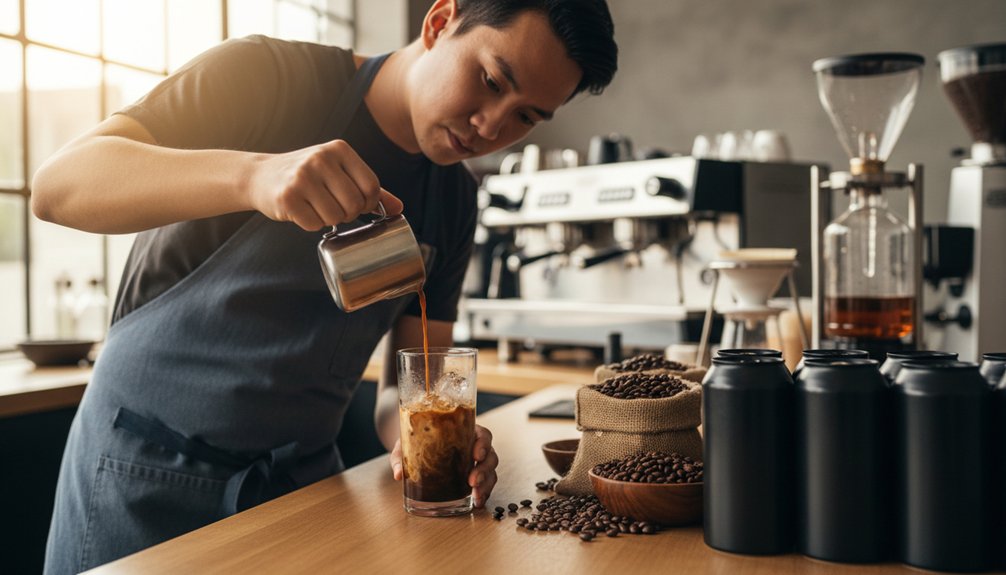
Coffee growth is being shaped by your appetite for specialty quality and ready-to-drink convenience. You’ll find traceable origins, distinctive roast profiles, and precise brewing turning each cup into a more personal experience. At the same time, cold brew, canned lattes, concentrates, and single-serve options fit busy routines across retail and online channels. Brands are refining flavors, lower-sugar choices, and sustainable packaging to earn repeat purchases. Explore how sourcing, formats, and café-inspired experiences create new opportunities.
Key Takeaways
- Specialty coffee is growing as consumers seek traceable origins, distinctive flavor profiles, crafted roasting, and greater control over brewing.
- Ready-to-drink coffee is expanding through convenient formats such as cold brew, canned lattes, concentrates, and lower-sugar options.
- Product innovation, wider retail availability, and digital sales are helping brands reach new customers and encourage repeat purchases.
- Transparent sourcing, climate-smart cultivation, and sustainable packaging increasingly influence quality perceptions and purchasing decisions.
- Brands are strengthening growth with café-inspired experiences, clear product choices, consistent storytelling, and expansion into grocery, convenience, and e-commerce channels.
What’s Driving Coffee Market Growth?
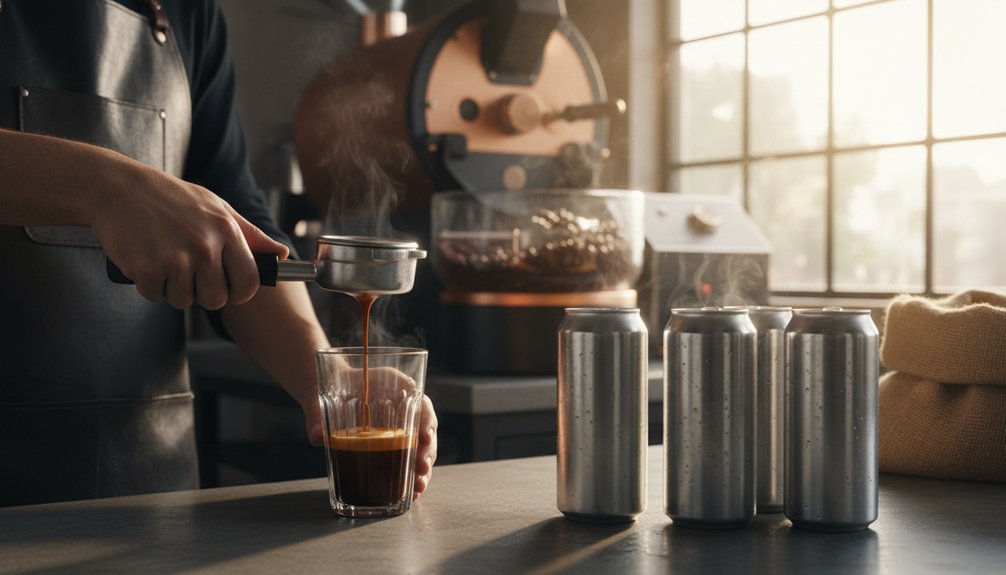
Coffee market growth is fueled by rising demand for specialty drinks, ready-to-drink coffee, and convenient at-home brewing. You’ll also see momentum from product innovation, wider retail availability, and digital sales that make new formats easier to discover and buy.
Cold brew, canned lattes, concentrate, and single-serve systems give you more ways to fit coffee into busy routines. Brands are investing in flavor variety, functional ingredients, and premium convenience to stand out across grocery, café, and online channels.
Packaging and sourcing now shape purchasing decisions, too. Sustainable packaging can reduce material use and improve recyclability, while clear sourcing information helps you assess Coffee sustainability claims.
Companies that track supply chains and report measurable progress can build trust and strengthen resilience against climate and cost pressures. Together, convenience, innovation, and responsible operations support continued category expansion.
Why Are More Drinkers Choosing Specialty Coffee?
As drinkers seek more distinctive, transparent experiences, specialty coffee is gaining ground through traceable origins, carefully developed roast profiles, and precise brewing methods. You’re choosing it for more than caffeine: each cup offers a clearer sense of character, craft, and quality.
Flavor profiles can range from citrus and florals to chocolate and spice, giving you options that suit different moods and occasions. Cafés and retailers make exploration easier with tasting notes, origin details, and single-serve formats that help you compare products.
Meanwhile, brewing techniques such as pour-over and espresso let you tailor strength, texture, and aroma to your preferences. Digital menus and subscription services also bring discovery home.
As premium choices become more accessible, you can trade routine for a more personalized coffee experience without sacrificing convenience or consistency.
How Do Sourcing and Roasting Shape Specialty Coffee?
Behind every distinctive specialty cup is a chain of choices, from farm to roastery. When you choose traceable lots, you support Sourcing sustainability and gain clearer insight into origin, farming practices, and producer relationships. Climate-smart cultivation and long-term buying partnerships can protect quality while helping farms manage rising costs and weather risks. Those choices also shape what you taste: altitude, variety, processing, and harvest timing influence sweetness, acidity, and aroma.
At the roastery, Roasting techniques turn that potential into a distinctive profile. You’ll find roasters using precise temperature curves, airflow, and development times to highlight a coffee’s natural character rather than mask it. Lighter profiles may emphasize floral notes and bright acidity; carefully developed roasts can bring out chocolate or caramel.
Transparent sourcing and calibrated roasting give you a more consistent, distinctive cup.
What’s Fueling Ready-to-Drink Coffee Demand?
From carefully sourced beans to grab-and-go cans, ready-to-drink coffee is winning consumers with convenience, consistent flavor, and expanding choice. You can enjoy café-inspired taste without brewing, making RTD coffee a practical fit for commutes, work breaks, and busy routines.
Flavor innovation keeps interest high: brands balance sweetness, roast character, and added ingredients to meet shifting preferences, including demand for lower-sugar options. Premium positioning also helps you find products that deliver quality alongside speed.
Sustainability initiatives increasingly influence your choices, as companies improve sourcing transparency, packaging, and production practices. These efforts can strengthen trust, especially among younger consumers who weigh environmental impact alongside price and taste.
Retail expansion and digital discovery make new products easier to find, while repeat purchases signal that convenience and credible quality can turn trial into lasting demand.
Which Ready-to-Drink Coffee Formats Are Growing?
You’ll see cold brew cans gaining shelf space as brands scale smooth, portable options.
Nitro coffee is also growing, with its creamy texture helping it stand out.
Protein coffee drinks bring function to the format, pairing caffeine with added protein.
Cold Brew Cans
As shoppers seek café-style convenience without the wait, canned cold brew is gaining ground in the ready-to-drink coffee market. You’ll find brands competing through smoother extraction, recognizable origins, and cold brew flavor profiles that range from chocolatey and nutty to bright and fruity.
Low-acid positioning and unsweetened options also appeal to shoppers seeking control over ingredients and sugar.
Coffee packaging helps drive trial and repeat purchases: slim cans chill quickly, travel easily, and stand out in crowded coolers. Multipacks suit at-home routines, while single cans capture on-the-go demand.
Retailers can track velocity by pack size, price, and flavor to identify which products earn shelf space. As more brands expand distribution, you’ll see cold brew cans move beyond coffee shops into grocery, convenience, and workplace channels, making portable, premium coffee a more familiar everyday choice.
Nitro Coffee
Nitro coffee is carving out a distinct place in ready-to-drink coolers, using nitrogen infusion to create a creamy texture and cascading pour without dairy. You’ll find brands using this visual appeal to differentiate cans and tap-style packages in a crowded market.
The format also supports premium positioning: a smooth, velvety mouthfeel can make black coffee feel indulgent without added cream or sugar. For product teams, flavor infusion offers room to broaden appeal with vanilla, caramel, or seasonal notes while keeping the signature nitrogen finish in focus.
Watch packaging and serving cues, too; widgets and clear pour instructions help you recreate the cascade at home. As retailers expand chilled coffee selections, nitro gives you a distinctive option alongside cold brew, especially when convenience, texture, and café-style presentation drive purchase decisions.
Protein Coffee Drinks
Beyond texture-led options like nitro, protein coffee is gaining attention as shoppers look for ready-to-drink beverages that combine caffeine with a functional benefit. You’ll find brands pairing brewed coffee or espresso with milk, whey, or plant-based proteins to create portable options for breakfast, workouts, and afternoon energy.
This protein enhancement broadens coffee’s role beyond refreshment, while clear labeling helps you compare protein grams, sugar, calories, and caffeine per serving. Formulas increasingly balance smoothness and flavor with nutritional benefits, using cold brew, flavored lattes, and low-sugar recipes to appeal to wellness-minded buyers.
For retailers, single-serve bottles and cans fit grab-and-go occasions, while multipacks support routine use at home. As demand grows, expect product differentiation through protein sources, added ingredients, and transparent nutrition claims—not caffeine alone.
How Does Cold Brew Expand Coffee Choices?
Cold brew broadens coffee menus by pairing a smooth, low-acidity profile with formats that hot coffee can’t match. You can offer it over ice, dilute it with water or milk, or package it as a ready-to-drink option. This flexibility helps brands reach shoppers seeking convenient, customizable coffee.
Long steeping extracts a mellow flavor, giving you a distinct base for seasonal launches and varied roast profiles. Compare brewing methods to tune strength, sweetness, and yield, then use those results to guide product development.
You can add dairy, plant-based milk, or simple flavor notes without relying on artificial flavoring to mask bitterness.
Cold brew also supports concentrate formats, which let customers adjust each serving to taste. As demand for chilled coffee grows, it gives your menu and product line another versatile choice beyond traditional hot brews.
Why Do Café-Style Coffee Experiences Matter?
As cold brew expands coffee menus, café-style experiences help brands turn a drink into a reason to choose them. When you seek more than caffeine, artisan brewing makes each cup feel considered: precise extraction, distinctive origins, and visible craft give you details worth noticing.
Café ambiance strengthens that appeal through lighting, music, seating, and service that invite you to pause or connect. These cues shape perceived quality, influence what you’re willing to pay, and make a visit memorable beyond the flavor.
For packaged and ready-to-drink coffee, café-inspired textures, flavor profiles, and presentation can echo that sensory appeal at home or on the go. You’ll find the strongest experiences balance convenience with authenticity, offering recognizable café rituals without making the product feel staged.
That distinction matters as coffee choices multiply.
How Can Coffee Brands Turn Trends Into Growth?
You can turn rising demand for functional, low-sugar, and ready-to-drink coffee into growth by innovating your product lineup.
Use customer data to sharpen your brand identity and stand out in a crowded market.
Then expand into retail channels where your target buyers already shop.
Innovate Product Offerings
Coffee brands can turn emerging trends into growth by translating consumer demand into distinctive, testable products. Track search data, retail velocity, and customer feedback to spot rising preferences, then pilot limited runs before scaling.
Flavor innovation can pair familiar coffee notes with trending ingredients, such as matcha, functional mushrooms, or global spices. Offer clear options for sweetness, caffeine strength, and dairy-free formats so shoppers can find products that fit their routines.
For ready-to-drink lines, packaging design should communicate flavor, serving size, and key benefits at a glance while supporting portability and recyclability. Test can sizes, resealable bottles, and multipacks against purchase and repeat-rate data.
You can also refresh seasonal offerings quickly through modular recipes and flexible sourcing. Measure trial, conversion, and repeat purchases by channel; use those results to refine formulas, formats, and production plans before committing to broader distribution.
Strengthen Brand Identity
A distinct brand identity turns fast-moving coffee trends into lasting customer recognition. You can translate interest in specialty origins, functional ingredients, and ready-to-drink convenience into a clear promise customers remember.
Use Brand storytelling to explain sourcing, flavor development, and the people behind each product; specific proof builds credibility more effectively than broad claims.
Then align visual branding across packaging, product names, and digital content so shoppers recognize your offer at a glance.
Track branded search, repeat purchases, and engagement by product line to see which messages resonate.
If a seasonal flavor attracts trial but not repeat sales, refine its positioning rather than simply adding more launches.
Consistent cues help you stand apart in crowded categories, earn trust, and turn emerging preferences into durable loyalty—without losing the distinct character that makes your coffee worth choosing.
Expand Retail Channels
Strong brand recognition gives you a foundation for reaching shoppers wherever they buy. Expand beyond cafés and specialty shops to capture demand for premium beans, convenient formats, and ready-to-drink coffee. Retail partnerships with grocers, convenience stores, and fitness retailers can put your products in high-traffic settings.
Match each channel with the right assortment: offer whole beans and limited releases to specialty buyers, and chilled cans or single-serve packs to on-the-go shoppers.
Use E commerce platforms to reach niche audiences, test new flavors, and gather first-party data on repeat purchases. Track sell-through, basket size, and reorder rates by channel; these metrics reveal where to invest and which formats need adjustment.
Coordinate pricing, packaging, and promotions across stores and online so shoppers get a consistent experience. With focused distribution, you can turn shifting coffee habits into measurable growth.
Conclusion
You’re watching coffee move at a sprint: specialty beans, sleek cans, cold brew, and café-style rituals are reshaping demand. Every sip signals a bigger shift toward quality, convenience, and choice. To grow, you’ve got to source thoughtfully, roast with precision, and make products that fit real routines—morning, midday, and everywhere between. Follow the data, refresh your formats, and keep flavor at the center. The brands that adapt won’t just ride the wave; they’ll help make it a tidal wave.