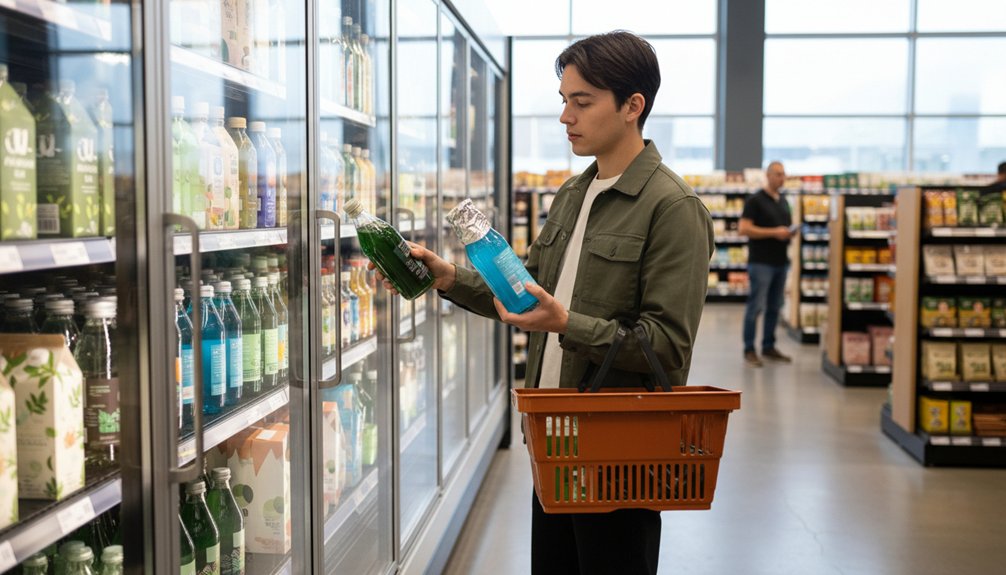
You choose beverages by weighing taste, price, convenience, health goals, and trust. Flavor, aroma, and familiar routines encourage repeat purchases, while clear value, accessible products, and easy-to-use packaging reduce friction. You may also compare nutrition, ingredients, and sustainability claims against personal priorities and budgets. Credible sourcing, certifications, and transparent brand communication can strengthen confidence, especially online. These factors shift by occasion, so the sections ahead explain how each influence works and where they intersect.
Key Takeaways
- Taste, aroma, texture, and packaging shape first impressions and strongly influence repeat purchases.
- Price, perceived value, promotions, and budget constraints determine whether consumer interest leads to purchase.
- Health goals, including hydration and reduced sugar, influence choices, but consumers still expect appealing flavor.
- Convenience, availability, store placement, and easy-to-use packaging encourage purchases, especially during routines and on-the-go occasions.
- Cultural habits, emotional connections, and credible sustainability or sourcing claims shape preferences and brand trust.
What Drives Beverage Purchases?
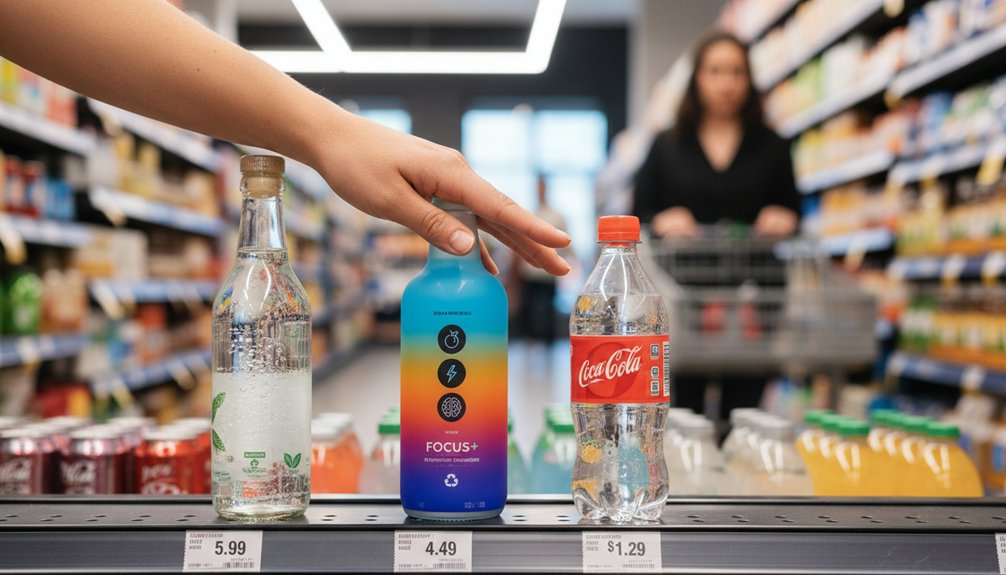
What turns a beverage from an option into a purchase? You respond to a mix of sensory cues, routines, identity, and context. Flavor, aroma, texture, and packaging shape your first impression; convenience and availability determine whether the product fits your moment.
Cultural influences guide what you consider familiar, appropriate, or worth sharing, while social settings can make a drink part of a ritual. Emotional triggers also matter: color, nostalgia, wellness associations, or a brand’s story can create desire before you taste anything.
Marketers increasingly use audience data and behavioral signals to match these cues with occasions, tailoring formats and messages to specific needs. Your choice emerges from this interaction, not one isolated feature.
When a beverage aligns with your preferences, habits, and situation, you’re more likely to select it and repeat the experience.
How Do Price and Value Shape Choices?
Sensory appeal and context may spark interest, but price often determines whether you act on it. You compare a beverage’s cost with its size, ingredients, functionality, and brand claims, then judge whether the exchange feels worthwhile. That calculation reflects perceived value, not simply the lowest shelf price.
A premium option can earn your choice when its benefits justify the added expense; a discount can lose appeal if quality signals seem weak.
Pricing strategies shape these judgments through tiered ranges, bundles, temporary offers, and reference prices. When you see a promotion beside a regular price, you estimate savings and reassess affordability.
Clear unit pricing helps you compare formats accurately, while opaque fees or inflated discounts can undermine trust. Your budget, purchase occasion, and willingness to pay interact, turning price into a decision signal that can convert interest into purchase—or redirect it toward another option.
How Do Taste and Routine Influence Choices?
Taste can turn a first trial into a repeat choice when a beverage’s sweetness, acidity, aroma, and texture match your preferences. Your flavor preferences reflect sensory thresholds, cultural exposure, and learned associations, so the same formulation can feel invigorating to you and unbalanced to someone else.
Brands can map these responses through tasting panels and purchase data, then refine recipes for distinct consumer segments.
Routine also shapes what you select. Repeated choices create habitual patterns: you may reach for coffee at a familiar time because its flavor signals comfort, focus, or a daily shift. Once a drink fits that ritual, you’re less likely to reconsider alternatives, even when your tastes evolve.
Marketers can strengthen repeat behavior by maintaining consistent sensory cues while introducing measured variations. Taste earns acceptance; routine sustains it.
Why Do Convenience and Availability Matter?
You’re more likely to choose a beverage when you can access it with minimal effort. Nearby availability reduces the time and friction between recognizing a need and making a purchase.
These access conditions shape how reliably a brand enters your consideration set.
[LIST OF 3 SUBHEADING DISCUSSION POINTS IN ENGLISH
Why do convenience and availability shape beverage choices? They reduce the effort between recognizing a need and selecting a drink, but their influence extends beyond speed. When you compare options, predictable stock and dependable service lower decision friction, while clear product information helps you assess ingredients, price, and suitability.
These conditions can strengthen repeat purchasing because you can anticipate a consistent experience.
Emerging trends also reshape what you expect to find: functional drinks, low-sugar formulas, and sustainable packaging can turn availability into a signal of market responsiveness. Cultural influences affect which flavors, formats, and occasions feel relevant, so a beverage that reflects your preferences earns greater consideration.
Brands that analyze these signals can refine assortments and forecast demand. Convenience, then, isn’t merely practical; it connects your context, expectations, and choice.
Easy Access
When you want a drink, easy access can determine which option makes it into your basket. Convenience reduces the effort between recognizing a need and completing a purchase. You’re more likely to choose beverages with clear product information, simple ordering, and formats that fit your routine.
Innovative Packaging can improve usability through resealable caps, lightweight materials, or single-serve portions, helping you carry, store, and consume products with less friction.
Digital tools also streamline decisions. You can compare ingredients, check stock, and reorder through apps without repeating research.
Loyalty Programs may further simplify buying by saving preferences, enabling quick checkout, and rewarding repeat purchases. These features don’t replace quality or value; they lower practical barriers.
When brands make selection and purchase straightforward, you can act on preference sooner and maintain consistent buying habits.
Nearby Availability
Where a beverage is stocked can shape whether you buy it: nearby availability turns interest into an immediate choice. When you encounter a drink at a checkout, café counter, or chilled display, you can act on thirst or curiosity without planning another stop.
Retailers use sales data and foot-traffic patterns to position products where you’re most likely to notice them. A store layout that places new flavors beside familiar favorites can lower search effort and invite comparison, while clear refrigeration and visible stock signal freshness and reliability.
Availability also reflects local preferences: nearby shops can prioritize regional tastes, package sizes, and occasions that matter to you. If your preferred beverage is consistently in stock across convenient locations, you’re more likely to repeat the purchase.
Proximity therefore converts awareness into measurable demand.
How Do Health Goals Affect Drink Choices?
Your wellness goals shape beverage choices by turning each purchase into a deliberate health decision.
You may prioritize hydration, functional ingredients, or reduced sugar to align drinks with specific outcomes.
Comparing nutrient profiles helps you assess which options best meet your nutritional priorities.
Wellness-Driven Choices
Health goals increasingly shape what consumers drink, as people assess beverages for their effects on hydration, energy, weight, and long-term wellbeing. When you choose a drink, you’re also choosing how it fits your routines: a low-stimulation option may suit evening relaxation, while a functional beverage may support focus during a demanding day.
Your flavor preferences still matter; wellness claims rarely compensate for a taste you don’t enjoy. Brands can respond with nuanced flavor profiles and packaging innovations that make portion control, portability, and ingredient transparency easier to evaluate.
You may also use digital tools to compare products and track how choices align with personal goals. These decisions reflect a shift from occasional consumption toward intentional selection, where convenience, perceived benefit, and sensory satisfaction jointly shape your beverage preferences.
Nutritional Priorities
When you set nutritional goals, you weigh a drink’s ingredients against what your body needs and what you’re trying to achieve. You might prioritize protein for recovery, electrolytes for hydration, or fiber to support digestion.
Reading nutrition panels helps you compare sugar, calories, and functional ingredients rather than relying on broad health claims.
Your goals also shape acceptable trade-offs: a low-sugar formula may suit blood-glucose management, while added caffeine may conflict with sleep priorities.
Flavor preferences still influence whether you’ll choose a nutritionally aligned option repeatedly. Brands consequently use natural flavors, balanced sweetness, and ingredient combinations to improve adherence without undermining formulation goals.
Packaging innovations, such as clear nutrient callouts and QR-linked sourcing data, can make comparisons faster and build trust.
Ultimately, you select drinks that fit measurable needs, daily routines, and sensory expectations.
When Does Sustainability Influence a Purchase?
Sustainability influences a beverage purchase when its benefits feel relevant, credible, and worth the trade-off. You’re more likely to choose a product when its environmental gains align with your priorities and don’t compromise taste, price, or convenience.
Eco labeling can help you compare packaging, carbon impact, and recyclability at a glance, but the information must be specific enough to support a decision. Ethical sourcing also matters when you value responsible farming, fair labor, or reduced pressure on local ecosystems.
These factors become more influential when you can connect them to measurable outcomes, such as less plastic or verified supply-chain standards. Yet sustainability rarely acts alone: you weigh it against familiar product attributes and your budget.
When the perceived benefit outweighs added cost or effort, it can shift your choice from consideration to purchase.
How Do Brands and Social Media Build Trust?
A beverage’s sustainability claims can influence choice, but trust depends on whether the brand consistently supports them with verifiable evidence. You can assess that evidence through traceable sourcing data, recognized certifications, and clear reporting on packaging and emissions.
Specific, comparable metrics make it harder for vague messaging to substitute for performance. When a company corrects errors openly and updates claims as practices change, you gain a stronger basis for confidence.
Social media can extend this proof, but it can also expose gaps quickly. You can compare a brand’s posts with independent audits, customer feedback, and responses to criticism.
Influencer impact depends on disclosed partnerships and credible product knowledge; polished promotion alone won’t establish reliability.
Consistent evidence across channels can strengthen brand loyalty by making the brand’s conduct—not just its image—predictable.
How Do Shoppers Balance These Priorities?
Balancing taste, price, convenience, health, and sustainability means deciding which trade-offs matter most in each purchase. You can rank these priorities by occasion: a quick commute may favor portability, while a planned meal may justify a premium for nutrition or lower-impact packaging.
Compare unit prices, serving sizes, ingredient panels, and verified environmental claims to distinguish measurable value from marketing signals.
Your choices also reflect habit and identity. Customer loyalty can reduce decision effort, but you’ll reassess familiar brands when prices rise or product quality shifts. Emotional appeal may tip the balance when a drink connects with comfort, culture, or personal values; however, you can test that response against objective criteria.
Retailers and brands increasingly use personalized offers and product data to help you optimize this trade-off, yet your final decision depends on which benefits deliver value now.
Conclusion
Your beverage choices reflect a live calculation: you weigh price, taste, convenience, health, sustainability, and trust in seconds. No single factor steers every purchase; priorities shift with your needs, routines, and available options. Think of the decision as a dashboard, with each influence adjusting the route. When you understand those signals, you can choose drinks that fit your goals—not just follow habit, promotion, or brand familiarity. Today’s market rewards your informed, flexible judgment.