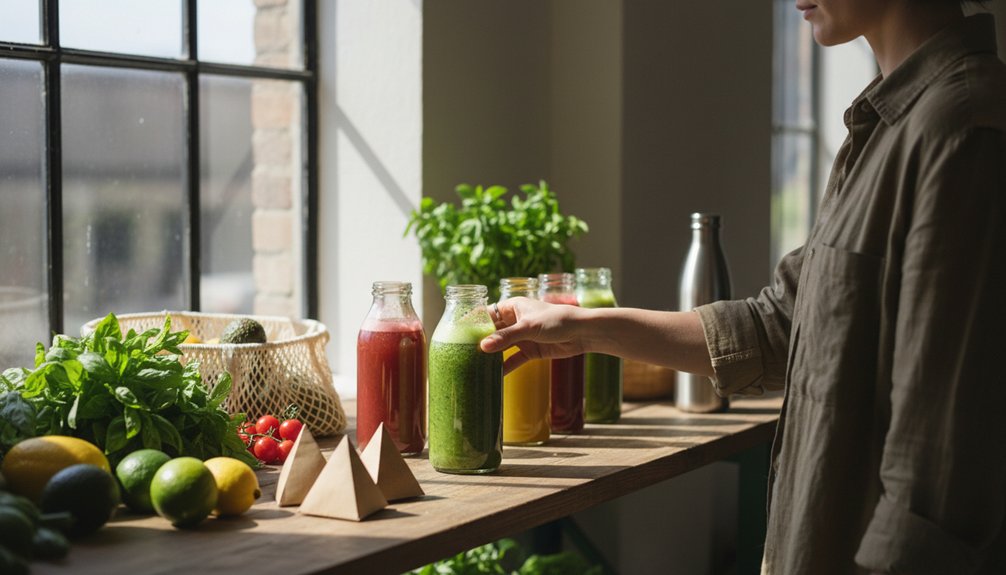
Eco-conscious consumers are driving green beverage formulations by choosing drinks with traceable ingredients, lower-impact sweeteners, and transparent sustainability data. Your preferences encourage brands to source botanicals responsibly, improve water and energy efficiency, and use recyclable, recycled, or refillable packaging. They also push companies to disclose lifecycle impacts and verify claims through independent assessments. As you compare labels and sourcing, you’re helping make lower-impact production a competitive standard. The choices behind each formulation reveal how far that shift can go.
Key Takeaways
- Consumers seeking wellness and transparency are encouraging beverages with clear ingredients, nutrition information, and traceable supply chains.
- Demand for lower-impact products is driving brands toward responsibly sourced botanicals, upcycled fruits, and lower-impact sweeteners.
- Climate and resource concerns are prompting producers to conserve water, use renewable energy, recover heat, and improve processing efficiency.
- Packaging preferences are shifting toward lightweight, recycled, recyclable, and refillable formats, as well as concentrates that reduce shipping emissions.
- Consumers increasingly expect specific, independently verified sustainability claims supported by lifecycle data, supplier records, and transparent disclosures.
What Is a Green Beverage Formulation?
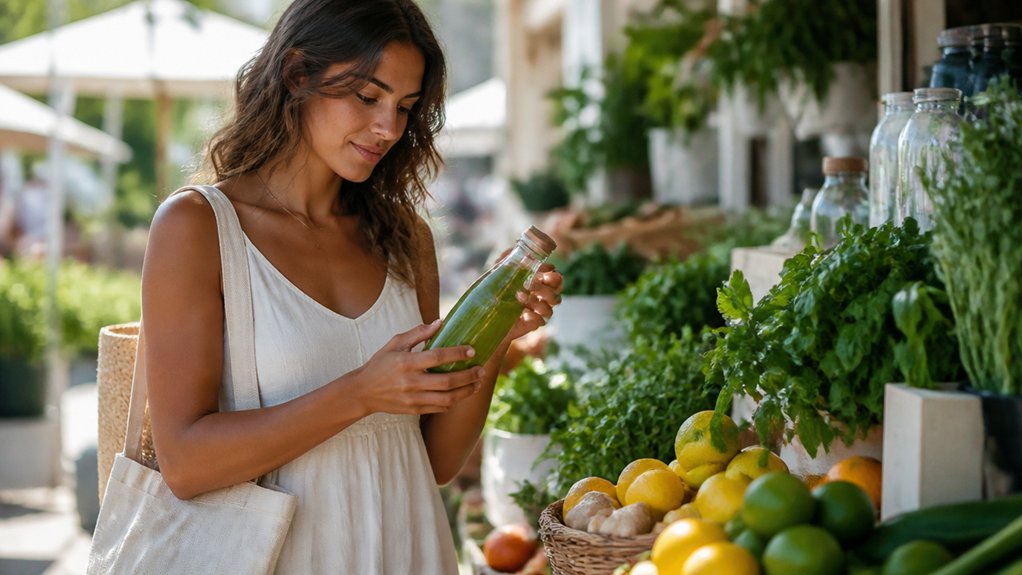
A green beverage formulation combines functional ingredients with choices that reduce environmental impact across sourcing, processing, packaging, and distribution. You evaluate each component for performance and footprint, from crop origin to factory energy use.
Ingredient innovation can replace resource-intensive inputs with responsibly sourced botanicals, upcycled fruit, or lower-impact sweeteners while preserving flavor, stability, and nutrition. You also optimize water use, processing temperatures, and formulation efficiency to limit waste without compromising safety or shelf life.
Packaging sustainability matters too: you can select recyclable, reusable, or lightweight materials that protect the drink and fit existing recovery systems. Consider how package design affects filling, transport, and end-of-life outcomes, not just material choice.
A rigorous formulation balances measurable environmental gains with quality, regulatory compliance, and reliable production, so your beverage performs well throughout its lifecycle.
Why Do Consumers Want Greener Drinks?
You may choose greener drinks to reduce packaging waste, emissions, and pressure on water and agricultural systems.
You’re also looking for formulations that support wellness through transparent ingredients and evidence-based nutrition.
Ethical sourcing matters, too, as traceable supply chains help you align purchases with fair labor and responsible production.
Environmental Awareness
As climate impacts and resource pressures become harder to ignore, consumers are paying closer attention to the environmental costs of what they drink. You’re looking beyond the liquid to assess how ingredients are grown, water is used, and products move through supply chains.
Beverage makers can respond with lower-impact sourcing, renewable energy, and efficient production systems that reduce emissions and waste. Corporate transparency helps you compare measurable progress with broad sustainability claims, using clear data on carbon, water, and materials.
You’ll also notice Eco friendly packaging designed for reuse, recycling, or composting, alongside lighter formats that require fewer resources to ship. These choices make environmental performance visible at the point of purchase.
When brands connect formulation decisions with verifiable lifecycle improvements, you can support innovation that reduces pressure on ecosystems and resources.
Health And Wellness
When you choose greener drinks, you may be looking for more than a smaller environmental footprint—you may also value ingredients and production methods that support your well-being. You can evaluate a beverage’s nutritional benefits by checking its fiber, protein, micronutrients, and added-sugar levels, rather than relying on sustainability claims alone.
Formulators now use plant-based ingredients, upcycled produce, and gentler processing to retain useful nutrients while reducing resource demands. These choices can also expand flavor innovation: fermentation, botanical extracts, and fruit by-products create distinctive profiles without depending on excessive sweeteners.
Clear labeling helps you compare formulations and understand how ingredients contribute to your diet. Greener drinks don’t automatically deliver better health, so you’ll want to consider portion size and overall dietary needs.
When nutrition and lower-impact design align, your beverage choice can support personal wellness alongside environmental goals.
Ethical Sourcing
Ethically sourced beverages connect environmental goals with fair treatment across the supply chain. When you choose greener drinks, you can support growers who protect soil, conserve water, and earn reliable incomes.
Traceable sourcing systems let brands verify ingredient origins, monitor labor conditions, and measure environmental impacts from farm to bottle.
Fair trade certification can strengthen producer bargaining power and fund community priorities, while transparent purchasing agreements help reduce supply-chain risks.
You’ll also see companies invest in regenerative agriculture, responsibly managed crops, and long-term supplier partnerships rather than relying on vague sustainability claims.
Ethical production extends beyond farms: responsible facilities can improve worker safety, reduce waste, and use renewable energy.
What Do Beverage Labels Reveal?
A beverage label can reveal more than ingredients—it can show how a brand manages its environmental impact. When you scan the package, look for details about material composition, recycled content, and disposal instructions. Clear claims help you compare options and identify packaging designed for reuse, recycling, or composting.
Color indicators may guide you toward the correct waste stream, but local systems differ, so check municipal guidance rather than relying on color alone.
Certification labels offer another layer of evidence. You can use recognized third-party marks to assess claims about responsible sourcing, manufacturing practices, or packaging standards. Check what each certification actually covers; one seal rarely verifies every environmental attribute.
Brands that provide traceable data, specific measurements, and accessible verification make it easier for you to distinguish documented progress from vague green messaging and choose beverages aligned with your sustainability priorities.
Which Sustainable Sweeteners Fit the Recipe?
Packaging labels reveal how a beverage manages waste; its sweetener also shapes its environmental footprint and flavor. When you select a sweetener, compare crop water needs, land use, processing energy, and supply-chain transparency—not just calories.
Cane sugar can deliver familiar sweetness, but responsible sourcing matters; organic certification can help verify farming practices, though it doesn’t guarantee low emissions.
Consider beet sugar, date syrup, or stevia according to your formulation’s sweetness intensity, solubility, and aftertaste. Natural extraction methods may reduce reliance on intensive refining, but you should assess solvents, energy, and waste streams before claiming an environmental advantage.
Pilot batches let you tune sweetness while limiting ingredients and production losses. By matching sweetener performance with credible sourcing data, you can create a beverage that meets taste expectations and advances measurable sustainability goals without overstating its impact.
How Do Plant-Based Flavors Shape Drinks?
When you build a drink around plant-based flavors, you shape both its sensory profile and its resource footprint. You can use botanicals, fruits, herbs, roots, and spices to create layered aromas, balanced acidity, and distinctive finishes without relying on artificial flavor systems.
Flavor innovation starts with understanding how each extract behaves across processing conditions: heat, pH, and carbonation can shift volatile compounds and perceived intensity. You’ll get more consistent results by matching flavor formats—infusions, concentrates, or natural extracts—to your beverage base and production method.
Ingredient versatility lets you combine familiar notes, such as citrus and mint, with unexpected pairings like hibiscus and ginger. These choices can support lower-impact formulations when plant ingredients replace resource-intensive flavor components, while giving you flexible options for seasonal recipes and evolving consumer preferences.
Why Does Responsible Sourcing Matter?
Responsible sourcing connects beverage ingredients to the environmental and social conditions behind their production. When you choose verified suppliers, you can assess how crops affect ecosystems, water access, and local livelihoods.
Supply chain transparency gives you traceable data on origin, intermediaries, and standards, helping you identify risks before they enter a formulation.
Fair trade practices support equitable terms, safer working conditions, and stronger producer communities. These safeguards also improve ingredient consistency and reduce exposure to disruptions linked to labor abuses, resource stress, or opaque sourcing.
You can use certifications, supplier audits, and digital traceability tools to validate claims rather than rely on broad sustainability promises.
How Can Production Reduce a Drink’s Footprint?
Traceable ingredients are only part of a drink’s footprint; production choices also shape its environmental impact. You can reduce that impact by choosing beverages made in facilities that optimize energy, water, and materials. Efficient heat recovery, renewable electricity, and right-sized production runs can lower emissions without compromising quality.
Water conservation starts with closed-loop cleaning systems, leak detection, and reuse of treated process water where food-safety standards allow. You can also favor producers that capture heat and monitor resource use in real time to improve operations.
Packaging innovations matter, too. Lightweight bottles, recycled content, and refillable formats can cut material demand and transport emissions. Concentrates and powders may reduce shipping weight when they suit the product.
How Can You Check a Brand’s Green Claims?
To verify a beverage brand’s green claims, look for specific, measurable evidence rather than broad terms like “eco-friendly.” Check whether the company reports methods, boundaries, and results for claims about emissions, water, ingredients, or packaging, and whether an independent organization has verified them.
Review Transparency reports for year-over-year data, lifecycle assessments, and clear explanations of what the figures include. Compare stated targets with progress, and note whether the brand discloses setbacks as well as achievements.
Third party certifications can add credibility, but check their standards, scope, and validity; a logo alone proves little.
For packaging claims, confirm that local recycling systems can process the material. For sourcing claims, look for traceability and recognized standards. You can also compare disclosures with supplier data and regulatory filings.
When evidence is missing or vague, ask the company for documentation before trusting its sustainability message.
Conclusion
Green beverages aren’t made green by a leaf on the label. You’ll need to examine ingredients, sourcing, packaging, and production together—and verify claims with evidence. Choose sweeteners and plant-based flavors that fit both your recipe and environmental goals, while favoring suppliers who can trace their materials. Then measure impacts across the product’s life cycle. The irony is that making a drink simpler often takes more data. Your informed choices can push brands toward formulations that waste less and deliver more.