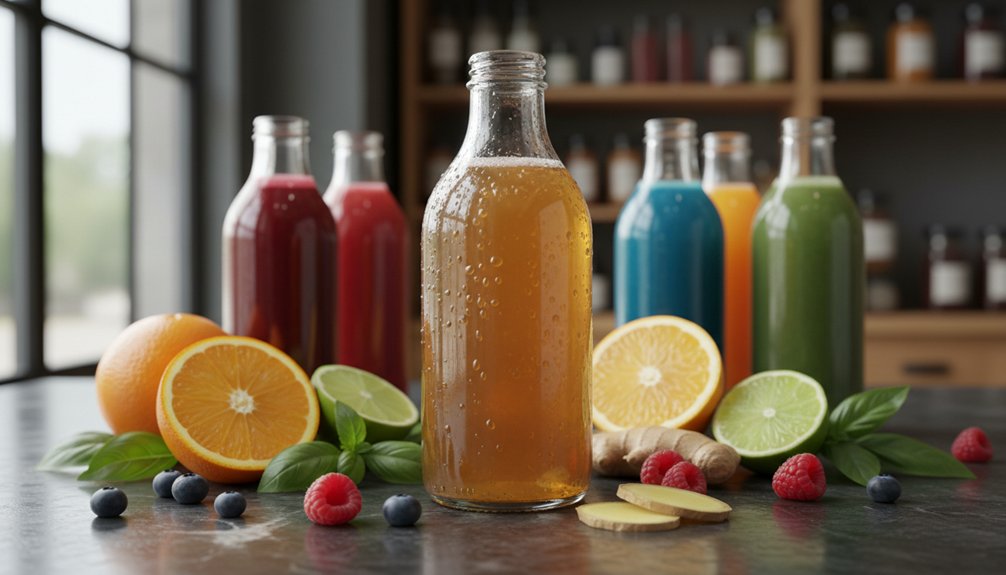
Functional drinks pair a clear purpose—such as hydration, focus, digestive support, or relaxation—with ingredients and doses chosen to support that benefit. You’ll find electrolytes, fiber, live cultures, caffeine, and L-theanine alongside distinctive flavors, lower-sugar recipes, and portable packaging. To judge a product, check its serving size, active ingredient amounts, human-study evidence, and local labeling rules; broad claims alone don’t prove results. In this crowded market, transparent formulation and enjoyable taste build trust. Keep exploring to see how these choices are changing the category.
Key Takeaways
- Functional drinks are expanding beyond hydration and energy into gut health, focus, relaxation, and recovery.
- Successful products pair evidence-informed ingredients with clear doses, credible claims, and transparent labeling.
- Distinctive flavors, lower-sugar recipes, and enjoyable textures help make health-focused drinks appealing for everyday use.
- Convenient packaging tailored to workouts, commutes, and daily routines strengthens product usability and differentiation.
- Brands compete through a balance of trusted science, memorable sensory experiences, sustainability, accessibility, and price.
What Makes a Drink Functional?
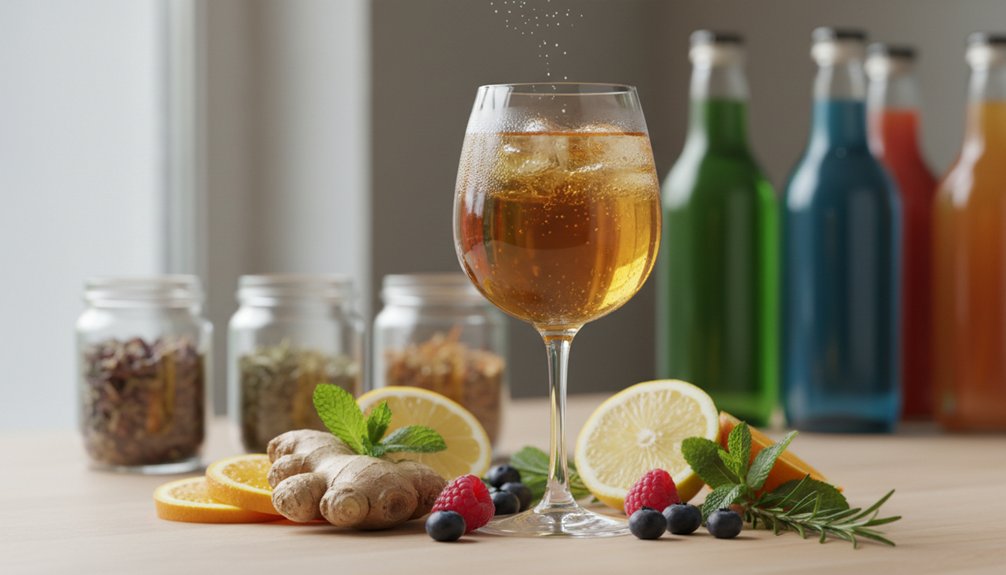
What makes a drink functional? You can judge it by more than its label: the product should offer a clear purpose, a credible formulation, and an enjoyable experience. That purpose shapes how brands design, test, and position a beverage for specific occasions, from a morning routine to an afternoon refreshment.
You’ll also notice how carefully companies balance sensory appeal with consistency; a drink must fit your expectations before it earns repeat purchases.
Flavor combinations help distinguish products in a crowded market, while thoughtful sweetness, texture, and aroma can make novel formats feel familiar. Packaging innovations matter, too. Convenient closures, portable sizes, and clear on-pack information can improve usability and help you understand the product’s intended role.
Together, these choices turn a beverage concept into a compelling, practical offering.
Which Functional Drink Benefits and Ingredients Matter?
When you compare functional drinks, start with the benefit they promise and the evidence behind it. Your priorities might include hydration, digestive support, energy, focus, or relaxation.
Match each goal to ingredients with relevant research: electrolytes for fluid replacement, fiber or live cultures for gut health, and caffeine or L-theanine for alertness and calm. Dose and formulation matter, because a familiar ingredient may not deliver the same effect in every product.
You’ll also notice innovation shaping taste and convenience. Flavor innovation can make botanicals, protein, or lower-sugar formulas more appealing without masking their purpose.
Consider whether a drink fits your routine, dietary needs, and budget; premium ingredients can raise prices, while crowded shelves make clear benefits essential.
Packaging sustainability matters, too: recyclable materials and efficient formats can reduce environmental impact while supporting portability and brand differentiation.
How Can You Check Functional Drink Claims?
To check a functional drink’s claims, look beyond the front label and examine the evidence behind each promised benefit. Read the ingredient list and serving size, then compare active amounts with those used in relevant human studies. A familiar ingredient doesn’t guarantee the same effect if the dose, formulation, or research population differs.
Check whether the company cites peer-reviewed trials or relies on testimonials, animal studies, or vague wellness language. You should also verify that claims meet your country’s food-labeling rules; “supports” wording isn’t proof of a proven outcome.
Marketing strategies can spotlight emerging science while obscuring uncertainty. Consider how packaging shapes consumer perceptions, and ask whether independent sources confirm the message. Compare products on transparent dosing, evidence quality, and clear disclosures—not trendiness.
If a claim sounds absolute, check it carefully before you buy.
How Are Functional Drinks Changing?
How are functional drinks changing? You’ll find formulas moving beyond basic hydration and energy toward targeted support for gut health, focus, sleep, and recovery. Advances in nutrition science help brands select ingredients such as probiotics, adaptogens, and electrolytes, while improved processing can protect sensitive compounds and extend shelf life.
You’ll also see more precise serving sizes and clearer ingredient information, making it easier to understand what each drink offers.
Flavor innovation is broadening appeal: developers pair botanical extracts and functional ingredients with familiar fruits, teas, and subtle spices to balance taste without relying on excessive sugar. Meanwhile, packaging sustainability is gaining attention as companies test recyclable materials, lighter containers, and refillable formats.
These changes reflect evolving consumer expectations and regulatory pressures, while giving you more choices in how you incorporate functional beverages into everyday routines.
How Do Functional Drinks Stand Out in a Crowded Market?
As the functional beverage aisle expands, brands stand out by pairing a clear, evidence-informed benefit with a distinctive taste and convenient format. When you compare options, look for transparent ingredient lists and realistic claims supported by research. Brands that explain how probiotics, electrolytes, or adaptogens work can earn trust without overstating results.
Flavor innovation also matters: botanical notes, layered fruit profiles, and lower-sugar recipes can make a drink memorable while meeting changing preferences. Convenient packaging and formats suited to workouts, commutes, or daily routines help you choose products you’ll actually use.
Strong branding strategies connect these practical advantages to a consistent identity, helping you recognize a product amid crowded shelves. For companies, differentiation depends on balancing credible science, sensory appeal, accessibility, and price—not simply adding more ingredients or louder promises.
Conclusion
Functional drinks are reshaping the beverage market by pairing familiar formats with ingredients aimed at specific needs. As you compare options, look beyond bold packaging: check the evidence, dose, and fit with your routine. Innovation can make hydration, energy, or gut-health support more convenient, but no drink is a shortcut to lasting wellness. Treat claims as starting points, not guarantees. In a crowded aisle, informed choices help you find products that deliver more than a promising label—and keep hype from steering your cart.