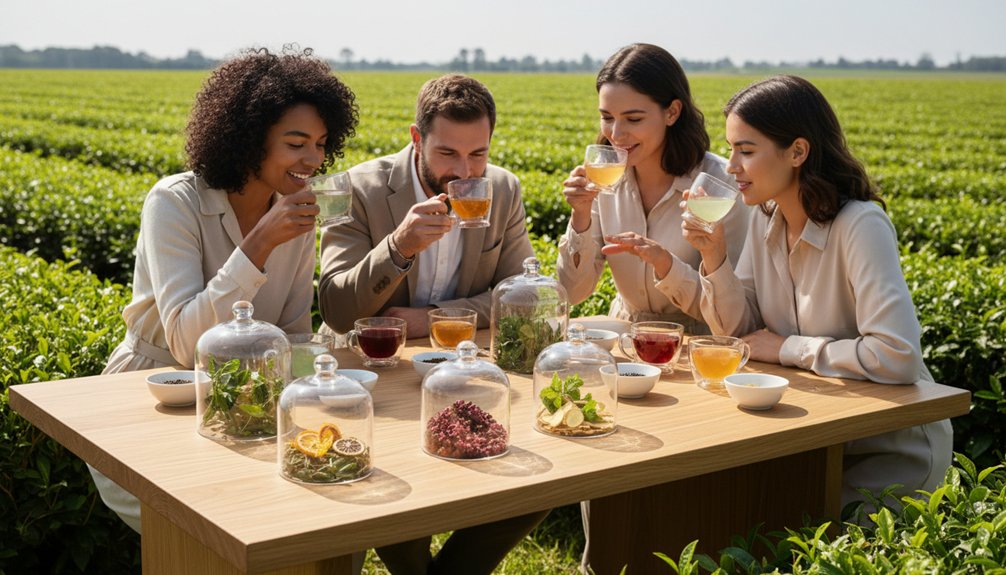
Tea industry growth reflects your search for drinks that combine pleasure, wellness, and convenience. You’re choosing more floral, spiced, and herbal flavours, alongside matcha and specialty teas that offer distinctive origins and rituals. Functional blends promise calm, focus, or energy, while ready-to-drink options and portable formats fit busy routines. You also expect transparent sourcing, credible claims, and lower-waste packaging. As brands respond with tailored products and clearer stories, the trends ahead reveal where your next favorite cup may come from.
Key Takeaways
- Tea industry growth is driven by consumers seeking enjoyable drinks that also support wellness, convenience, and social connection.
- Floral, herbal, spiced, matcha, and single-origin teas attract consumers with distinctive flavors, aromas, preparation rituals, and origin stories.
- Functional blends targeting calm, energy, focus, or relaxation appeal to consumers when ingredients and health claims are clearly explained.
- Ready-to-drink products, portable formats, and easy-to-use sachets fit busy routines, while sustainable packaging helps meet consumer expectations.
- Transparent sourcing, ethical production, and locally tailored flavors and formats strengthen trust and create opportunities in growing markets.
What’s Driving Tea Industry Growth?
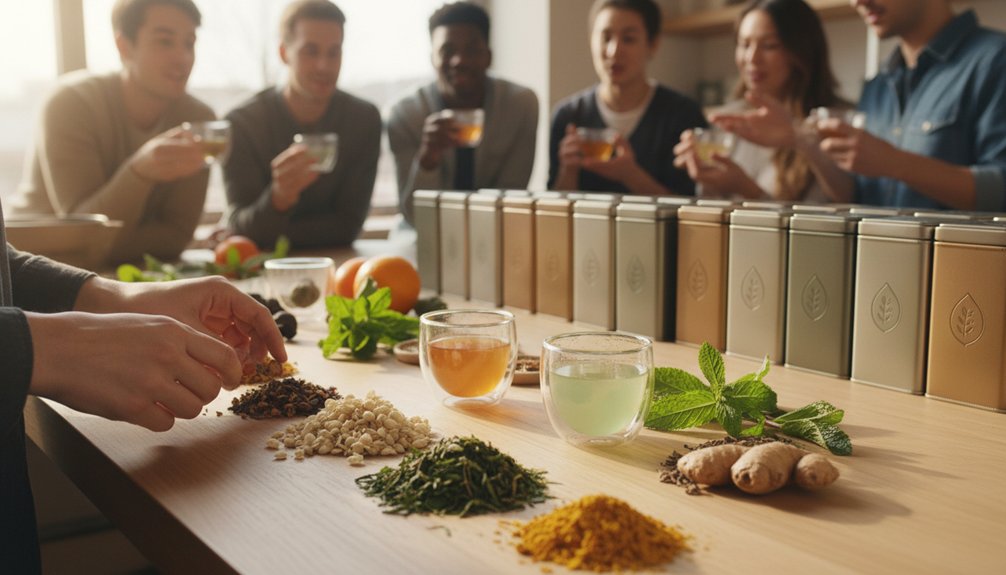
Tea’s growth comes from a shift in what consumers want: drinks that feel both enjoyable and good for them. You’re seeing tea move beyond a daily ritual into a flexible choice for wellness, hospitality, and social connection. Brands respond with convenient formats, transparent sourcing, and products that fit busy routines without losing a sense of craft.
Cultural influences also widen tea’s appeal. As you encounter traditions through travel, media, and global food culture, tea offers a familiar way to explore new places and practices.
Tea tourism strengthens that connection, inviting you to visit plantations, meet producers, and understand how origin shapes each cup. These experiences create value beyond the beverage itself, building trust and memorable brand relationships.
Together, access, provenance, and meaningful experiences give the industry durable momentum, while helping you choose tea for more than taste alone.
How Are Tea Drinkers’ Tastes Changing?
As tea becomes more accessible, drinkers are seeking more than a familiar flavor: they want choices that match their tastes, routines, and values. You may choose tea for focus in the morning, calm in the evening, or a revitalizing break between tasks. This shift makes convenience, ingredient transparency, and perceived wellness benefits part of the decision—not just taste.
Tea culture is also becoming more personal. You can explore brewing styles, compare origins, and select formats that fit your schedule, from loose leaves to ready-to-drink options.
Meanwhile, consumer preferences increasingly reflect ethical sourcing, lower sugar, and products that feel tailored rather than mass-produced. For brands, the signal is clear: understand the occasion behind each purchase, communicate credible benefits, and make quality easy to recognize.
Your expectations now shape how tea is made, presented, and enjoyed.
Which New Tea Flavours Are Gaining Fans?
You’ll find floral blends bringing delicate, aromatic notes to familiar teas, while spiced flavours add warmth and complexity.
These contrasting profiles let you choose between a lighter sensory lift and a bolder, more comforting cup. Their growing appeal signals that tea drinkers want flavour with both character and choice.
Floral Tea Blends
Floral blends are moving beyond niche shelves as drinkers seek fragrant, nuanced alternatives to familiar teas. You’ll find rose, jasmine, lavender, and hibiscus shaping a category that balances sensory discovery with everyday appeal. Their floral aromatics can soften a cup’s profile, while vivid color and distinctive fragrance make each brew feel considered.
Herbal infusions also give you caffeine-free choices, helping brands reach evening drinkers and wellness-minded shoppers without relying on medicinal claims.
Demand grows when blends pair familiar flowers with accessible formats and clear flavor cues. You might choose jasmine for its delicate, tea-like character, or hibiscus for a tart, fruit-forward lift. Single-flower options suit purists; layered recipes invite exploration and premium pricing.
For producers, sourcing quality petals and preserving aroma matter: stale, perfumed notes quickly erode trust. Thoughtful blends turn fragrance into a repeatable reason to choose your cup.
Spiced Tea Flavours
Where floral teas win with fragrance, spiced blends draw fans through warmth, complexity, and a gentle kick. You’ll find cinnamon, ginger, cardamom, and pepper moving beyond seasonal menus into everyday cups, often paired with citrus, cacao, or roasted tea. These combinations give familiar ingredients an invigorating profile without demanding a taste leap.
Spiced infusions also meet your appetite for adaptable rituals: drink them hot for comfort or chilled for a sharper, revitalizing finish. Brands can build aromatic blends around clear flavor cues, while balancing heat, sweetness, and tea character to suit different palates.
You’re more likely to return when spice feels layered, not overpowering, and ingredients have a recognizable purpose. As shoppers seek distinctive yet approachable choices, spiced tea offers a flexible route to discovery, helping retailers invigorate shelves and earn repeat interest.
Why Are Matcha and Specialty Teas Growing?
As consumers seek more distinctive drinks, matcha and specialty teas are growing because they offer bold flavors, recognizable origins, and a sense of ritual that everyday tea often lacks. When you choose matcha, its vivid color, grassy taste, and whisking ritual turn preparation into an experience you can share or personalize.
Matcha popularity also reflects its versatility: cafés and brands feature it in lattes, desserts, and convenient formats that fit changing routines.
Specialty tea innovation gives you more ways to explore, from single-origin leaves and carefully crafted blends to unusual processing methods. Clear sourcing stories help you connect each cup with a place, maker, or tradition, while limited releases encourage discovery.
As you look beyond familiar options, these teas offer variety and identity, helping brands stand out in a crowded market without relying on conventional flavors alone.
Which Wellness Benefits Do Tea Drinkers Seek?
When you reach for tea to support your well-being, you’re often looking for more than hydration: calm, steady energy, or a soothing break in your day. Your choice reflects the benefit you value most. Green tea may appeal when you want a gentle lift, while caffeine-free blends can help you unwind without disrupting sleep.
Ingredients such as ginger, peppermint, and chamomile connect modern wellness goals with familiar herbal remedies, though tea shouldn’t replace medical care.
You may also seek stress relief through a mindful ritual: brewing, inhaling the aroma, and pausing between tasks can make a cup feel restorative. Brands increasingly respond with blends positioned around focus, digestion, or relaxation.
As you compare claims, look for clear ingredient information and realistic promises. Your trust grows when wellness messaging feels transparent, relevant, and grounded—not like a cure in a cup.
How Are Convenient Tea Formats Evolving?
You can now choose ready-to-drink teas that fit your pace without sacrificing variety. Portable formats make tea easier to carry, while single-serve innovations help you brew just the amount you want.
Together, these options turn convenience into a more flexible part of your tea routine.
Ready-To-Drink Options
How can tea fit a faster-paced day without losing its appeal? Ready-to-drink options answer with brewed flavor, immediate access, and little preparation. You can choose chilled green tea for a clean lift, black tea for depth, or herbal blends for a caffeine-free pause.
Brands now refine sweetness, steeping methods, and ingredient lists, so convenience doesn’t have to mean a flat, overly sugary drink.
Tea flavor pairing brings new character to the category: citrus can sharpen green tea, while berries complement hibiscus and spices add warmth to black tea. You’ll also find functional blends featuring botanicals or added nutrients, though clear labeling helps you judge whether claims match your needs.
Tea packaging innovation supports freshness and product differentiation, while recyclable materials can make sustainability part of your choice. These evolving recipes let you match a drink to your taste, routine, and priorities.
Portable Tea Formats
Ready-to-drink tea offers quick access, while portable formats make tea easier to carry and prepare throughout the day. You can choose compact tea pouches, lightweight tins, or resealable packs that fit a work bag, gym kit, or travel case.
Thoughtful Tea packaging protects freshness, limits spills, and reduces bulk, helping you carry your preferred leaves without sacrificing quality. At your destination, flexible brewing techniques let you steep tea in a travel mug, infuser bottle, or simple cup, adapting preparation to your schedule and available water.
Brands are also refining materials and designs to balance durability, ease of use, and lower waste. As you compare options, consider how quickly each format brews, how easily you can clean it, and whether it suits your routine.
Convenience now supports choice, not just speed.
Single-Serve Innovations
Single-serve tea formats are moving beyond basic bags to offer more control with less preparation. You can now choose dissolvable tea cubes, concentrated drops, and precision-packed sachets that steep quickly and deliver consistent flavour. These formats suit busy routines while letting you adjust strength, temperature, and serving size.
Single serve innovation also brings functional blends into easy-to-carry portions, so you can select teas for focus, calm, or hydration without measuring loose leaves.
Convenience, however, shouldn’t come at the planet’s expense. Packaging sustainability is becoming a key design test: brands are exploring compostable materials, recyclable pods, and lighter packaging. You can compare these choices alongside taste and price, since disposal options vary by location.
As technology improves, expect formats that balance freshness, portability, and lower waste—making your daily cup simpler without sacrificing quality or responsible consumption.
Why Does Sustainability Matter to Tea Buyers?
Sustainability matters to tea buyers because each purchase connects personal values with the people and ecosystems behind the product. When you choose tea, you’re also weighing how it’s grown, who benefits, and what remains after brewing.
Sustainable sourcing can support fairer livelihoods, protect soil and water, and help farms adapt to climate pressures. Clear information lets you judge whether those claims reflect meaningful practices or polished messaging.
Packaging shapes your decision, too. Eco-friendly packaging can reduce waste, especially when materials are recyclable, compostable, or easy to reuse. Yet labels alone don’t tell you a product’s full footprint; transport, farming methods, and disposal all count.
You’re increasingly looking for evidence, not vague promises, because responsible choices should deliver value beyond the cup. That scrutiny encourages accountability throughout the supply chain and makes sustainability a practical buying criterion, not just an ideal.
How Are Brands Making Tea Stand Out?
As tea buyers look beyond sourcing claims, brands are finding new ways to earn attention and loyalty. Strong Tea branding helps you recognize a blend’s character before the first sip. Clear names, distinctive visual systems, and concise flavor descriptions make choice easier, while origin stories and brewing guidance give you useful context without overwhelming the label.
Packaging innovation can turn that promise into a better daily experience. Resealable pouches protect freshness; portioned sachets support convenience; and refill formats reduce clutter when you’re restocking a favorite. Thoughtful materials and accessible design also help you assess a product quickly on shelf or online.
The most effective brands connect appearance with performance: each detail signals what you’ll taste, how you’ll prepare it, and why it fits your routine. That consistency builds recognition and trust.
Where Are Tea Industry Opportunities?
Tea industry opportunities are emerging where changing routines meet unmet needs. You can capture demand by designing teas for specific moments: a gentle morning lift, a calming evening ritual, or a convenient, low-sugar refreshment on the move. Functional blends may appeal, but consumers expect clear ingredients and credible benefits, not inflated promises.
You’ll also find room to innovate upstream. Better Tea cultivation practices can strengthen supply resilience, protect local ecosystems, and give shoppers a meaningful reason to choose your brand. Traceability helps connect that work to the cup.
Beyond domestic shelves, export markets offer growth when you adapt flavour profiles, formats, and messaging to local preferences. Use consumer insights to test small batches before scaling. The strongest opportunity lies in linking useful products with transparent sourcing and experiences people want to repeat.
Conclusion
Tea’s growth is no passing trend: it’s a changing landscape shaped by your tastes, routines and values. From vivid matcha and adventurous flavours to functional blends and convenient formats, each cup offers a new reason to explore. Sustainability and clear brand stories help you choose with confidence. For tea makers, the opportunity lies in listening closely and innovating thoughtfully. As consumer demand rises, the brands that keep your cup fresh, useful and responsible will help shape tea’s next chapter.