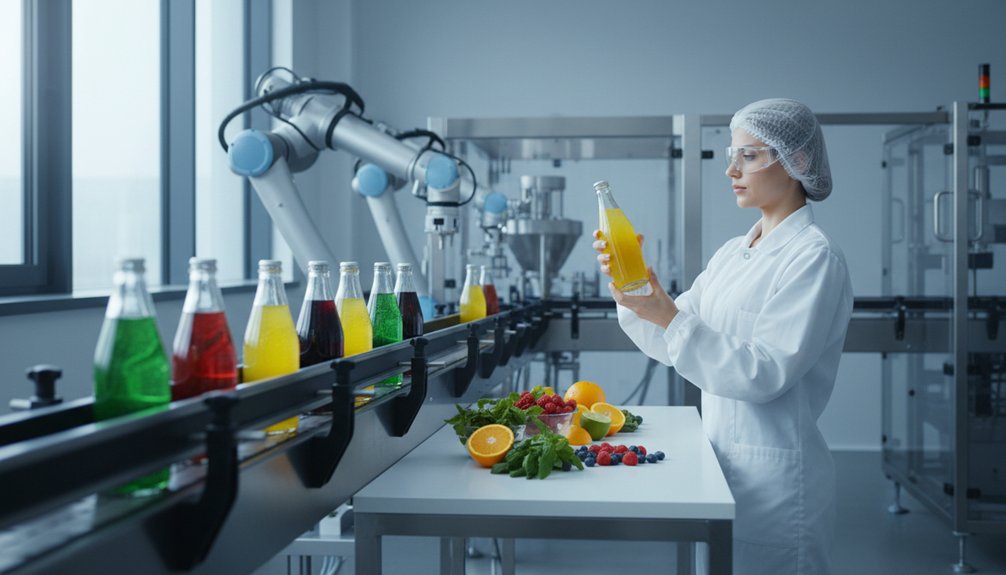
Soft drink manufacturing trends are reshaping how you develop, produce, and package beverages. You can reduce sugar gradually, balance sweetness with stevia or monk fruit, and preserve refreshment through flavor and carbonation adjustments. Functional ingredients, including probiotics, botanicals, and electrolytes, help you create targeted wellness drinks. Sensors, machine learning, and modular equipment can improve efficiency and cut waste, while recycled materials and lifecycle assessments support sustainability. Explore how these innovations can guide your next beverage strategy.
Key Takeaways
- Health-focused formulations are reducing sugar with stevia, monk fruit, and allulose while using flavors and carbonation to preserve taste.
- Functional beverages are incorporating vitamins, electrolytes, fiber, probiotics, botanicals, and plant proteins to meet wellness demands.
- Sustainable packaging innovations include lightweight recycled materials, refillable formats, recyclable aluminum, and plant-derived alternatives.
- Sensors, analytics, machine learning, and digital twins improve production efficiency, forecasting, quality control, and small-batch experimentation.
- Modular equipment and responsive supply chains help manufacturers adapt quickly to consumer trends while reducing waste and environmental impact.
What Is Driving Soft Drink Manufacturing Trends?
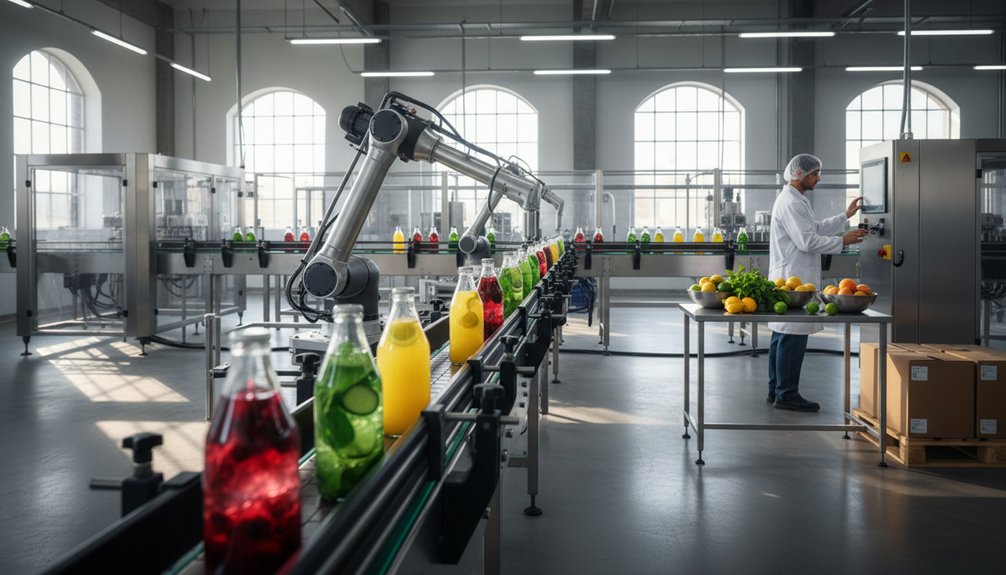
Soft drink manufacturing is shifting as consumers demand healthier options, regulators tighten rules on sugar and packaging, and producers adopt more efficient technologies. Your expectations now shape product development: you’re looking for distinctive flavors, clear ingredient lists, convenient formats, and beverages that fit varied lifestyles.
These consumer preferences push brands to test botanical extracts, functional ingredients, and novel carbonation profiles. Digital research and rapid sensory testing help manufacturers spot emerging tastes before they reach the mainstream.
Regulation also influences how you see beverage quality, from transparent labeling to recyclable containers. Meanwhile, supply-chain pressures encourage producers to use data, automation, and precise quality controls.
Artificial sweeteners remain part of broader formulation research, as companies assess taste, stability, and consumer acceptance. Together, these forces are redefining how brands innovate, communicate, and deliver drinks you’ll choose.
How Manufacturers Are Cutting Sugar
You’re seeing manufacturers pair natural sweeteners with flavor science to preserve the taste you expect while using less sugar. Many are also reducing sugar gradually, helping your palate adapt without abrupt changes.
These strategies are reshaping how soft drinks balance sweetness, flavor, and nutrition.
Natural Sweetener Alternatives
As consumers look for less sugar without sacrificing flavor, manufacturers are turning to natural sweeteners such as stevia, monk fruit, and allulose. These options let you formulate beverages with fewer calories while retaining sweetness from recognizable sources.
Plant based sweeteners can vary in potency and taste, so you’ll need to match each ingredient to the drink’s acidity, aroma, and flavor profile. Stevia may bring lingering bitterness; monk fruit can deliver a rounder sweetness, while allulose contributes bulk and a sugar-like mouthfeel.
To refine the sensory experience, you can use flavor masking techniques, including complementary fruit notes and carefully balanced acids. Advanced blending and sensory testing help you identify combinations that taste clean and consistent.
As demand for simpler labels grows, these sweeteners give you flexible tools to create distinctive, lower-sugar drinks.
Gradual Sugar Reduction
Rather than remove sugar all at once, manufacturers are lowering it in small, carefully measured steps. This gradual approach gives your palate time to adapt while preserving the familiar taste you expect. Producers use sensory testing and reformulation trials to identify reductions consumers barely notice, then adjust recipes in stages.
Flavor innovation helps maintain balance as sweetness declines. You may find brands pairing fruit extracts, acids, spices, or aroma compounds to make drinks taste fuller without adding more sugar. Some also fine-tune carbonation, which can sharpen flavor and refreshment.
Consumer preferences guide each adjustment: manufacturers track feedback, repeat purchases, and sweetness ratings across markets. They’re also using data models to predict how ingredient changes affect taste.
For you, the result can be a smoother shift toward lower-sugar choices, with recognizable flavors and fewer abrupt compromises.
Functional Ingredients in Soft Drink Production
Functional ingredients are reshaping soft drinks from simple refreshment into targeted wellness products. You can now find formulations that pair familiar flavors with nutrients and bioactive compounds designed to support specific needs.
Probiotic enhancements bring beneficial microbes into beverage development, but you’ll need careful strain selection and processing to protect viability and deliver consistent quality.
Botanical extracts, including tea, ginger, and adaptogens, add distinctive flavor while contributing naturally occurring compounds that consumers increasingly seek.
Manufacturers are also exploring fiber, electrolytes, vitamins, and plant proteins, using precise dosing to balance function, taste, and stability.
As research advances, you’ll see smarter combinations guided by evidence rather than broad wellness claims.
Clear labeling and substantiated benefits help you choose products with confidence, while innovative formulation makes functional drinks more appealing for everyday routines.
How Soft Drink Packaging Is Becoming More Sustainable
With pressure to cut waste and emissions, soft drink makers are redesigning packaging across its life cycle. You’ll see lightweight bottles that use less resin, recycled content that gives materials another purpose, and refillable formats designed for repeated use. These changes can lower packaging’s footprint without compromising product protection or convenience.
Eco friendly containers now include advanced paper-based designs, aluminum cans with high recycled content, and bottles made from plant-derived polymers. Yet material choice alone doesn’t guarantee sustainability: you should also consider collection systems, recycling compatibility, and transport impacts.
Biodegradable materials may suit specific applications, but they need appropriate conditions to break down and shouldn’t replace effective recycling infrastructure.
Digital product information and clearer labels can help you sort packs correctly. As packaging science advances, you’ll encounter designs that balance shelf life, circularity, and consumer usability more thoughtfully.
Smarter Soft Drink Production Cuts Waste
As sensors and data analytics sharpen production control, soft drink makers can spot inefficiencies before they become waste. When you connect real-time readings from mixers, fillers, and chillers, you can adjust flow rates, temperatures, and carbonation precisely.
Predictive systems flag equipment wear early, helping your team prevent leaks, downtime, and spoiled batches. Automated quality control checks fill levels, acidity, and dissolved gas continuously, so you catch deviations before products leave the line.
Machine-learning models can also forecast demand, letting you schedule runs more accurately and avoid excess inventory. With digital twins, you can test process changes virtually before committing ingredients or energy.
Even innovative flavor pairings can be trialed in smaller, data-guided batches, reducing formulation losses. These tools make your production leaner, more consistent, and responsive without compromising beverage quality.
New Flavors and Formats in Soft Drinks
Consumer demand for novelty is reshaping soft drinks, from botanical and globally inspired flavors to formats designed for new occasions. You’ll find citrus paired with herbs, chili balanced by fruit, and fermented notes adding depth without relying on excess sweetness. These unique flavor combinations reflect consumers’ growing interest in sensory complexity and ingredients with cultural resonance.
Advances in flavor science help producers preserve delicate aromas and achieve consistent taste across batches.
At the same time, innovative beverage formats expand how and when you enjoy a drink. Lightly carbonated waters, concentrated mixers, and ready-to-drink functional blends suit different routines and serving occasions. Slim cans, resealable bottles, and smaller portions can improve portability and portion control.
Together, evolving flavor profiles and formats make soft drinks more adaptable, giving you fresh experiences beyond familiar formulations.
How Brands Can Respond to Manufacturing Trends
To keep pace with shifting demand, you can invest in flexible production lines that adapt quickly to new formulas and formats.
Use real-time process data to improve efficiency and reduce waste.
You’ll also strengthen your brand by prioritizing sustainable packaging that cuts material use and supports recycling.
Invest in Flexible Production
When demand shifts faster than a fixed production line can adapt, flexible manufacturing helps you keep pace. Modular equipment lets you switch recipes, formats, and batch sizes with fewer changeover delays.
You can use sensors and real-time analytics to monitor line performance, spot bottlenecks, and adjust settings before small disruptions become costly downtime.
Flexible automation gives your team precision across filling, mixing, and quality checks while freeing operators to manage exceptions.
Pair adaptable machinery with agile supply chains, and you can source ingredients more responsively as consumer preferences evolve.
Pilot new flavors on smaller runs, then scale production when sales data confirms demand.
This approach helps you test emerging beverage trends without committing your entire operation to one forecast.
Build flexibility into equipment, workflows, and planning, and you’ll respond faster while maintaining consistent product quality.
Prioritize Sustainable Packaging
As sustainability standards rise, rethink packaging as part of your manufacturing strategy, not an afterthought. Choose Eco friendly materials such as recycled PET, lightweight aluminum, or bio-based polymers, then test them against product chemistry, shelf life, and filling-line demands. You’ll reduce material use without compromising carbonation, flavor, or safety.
Track emerging recycling innovations, including improved sorting, bottle-to-bottle systems, and digital product passports that help consumers identify disposal options. Design containers for recovery from the outset: favor clear labeling, compatible components, and fewer mixed materials.
Work with suppliers and recyclers to verify that packaging can be collected and processed in your target markets.
Use lifecycle assessments to compare emissions, water use, and end-of-life outcomes. By aligning packaging choices with manufacturing capabilities and local infrastructure, you’ll cut waste, strengthen resilience, and earn consumer trust.
Conclusion
The next generation of soft drinks will be shaped by choices you make now: less sugar, more function; lighter packaging, smarter production; familiar refreshment, unexpected flavors. These advances aren’t trade-offs—they’re opportunities to create beverages that meet changing expectations while using resources more thoughtfully. Start with the trends that fit your capabilities, test them with consumers, and refine what works. In a fast-moving market, you don’t have to predict every shift; you need to build the flexibility to respond.