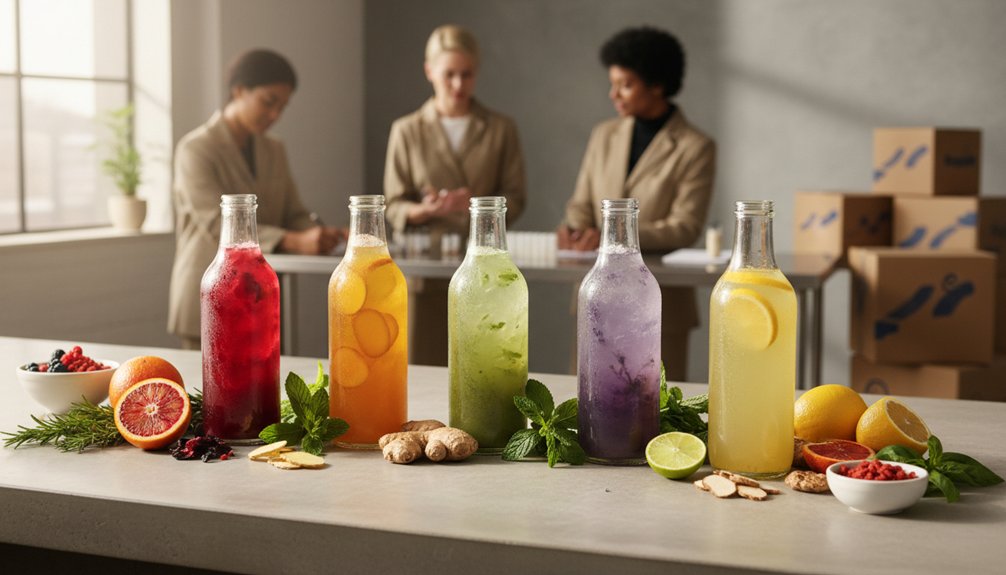
You can turn wellness trends into profitable beverages by solving a clear need with benefits customers understand and flavors they’ll crave. Olipop made prebiotic soda feel familiar, while Celsius tied energy to workouts and performance. Liquid I.V. shows how a focused hydration hook can make a product easy to explain and use. Build trust with transparent claims, then prove repeat demand through targeted retail and reliable supply. Keep going to see the practical moves behind these success stories.
Key Takeaways
- Translate wellness trends like hydration, gut health, and energy into simple, credible benefits that fit everyday routines.
- Olipop made prebiotic soda approachable by pairing familiar flavors, lower sugar, and nostalgic branding with gut-health positioning.
- Celsius linked energy drinks to workouts and performance, using distinctive packaging and strategic retail partnerships to build recognition.
- Earn trust with transparent labels, clear ingredient information, evidence-based claims, and honest communication about emerging science.
- Test demand in focused retail channels, track repeat purchases and sales velocity, and scale only when supply can reliably keep pace.
What Makes Functional Beverage Brands Stand Out
Functional beverage brands stand out when they turn a clear consumer need into a credible, easy-to-understand benefit. You’ll earn attention by connecting wellness trends—such as hydration, gut health, or sustained energy—to products that fit everyday routines.
Innovative ingredients can help you differentiate, but only when you explain their purpose clearly and support claims with credible evidence. A crowded market rewards relevance, not novelty for its own sake.
You’ll also need a distinctive brand voice, appealing packaging, and a convenient format that makes trial feel worthwhile. Consumer engagement strengthens that proposition: invite feedback, share useful education, and respond to changing preferences across retail and digital channels.
Track repeat purchases alongside initial interest to see whether your promise delivers. When product performance, positioning, and customer experience align, you can build trust, encourage loyalty, and create a stronger foundation for profitable growth.
How Olipop Made Prebiotic Soda a Hit
Olipop reimagined soda with prebiotics, giving you a familiar treat with a functional twist.
Its bold flavors and retro-inspired branding helped you spot it on crowded shelves and social feeds.
That blend of wellness appeal and standout identity turned a niche idea into a hit.
Reimagining Soda With Prebiotics
As shoppers seek soda with a better-for-you edge, Olipop has turned prebiotics into a compelling reason to rethink the classic fizzy drink. You get familiar carbonation and nostalgic flavors, paired with plant fibers that support digestive wellness.
That combination meets a clear market demand: consumers want functional benefits without giving up everyday enjoyment.
Olipop’s approach shows how flavor innovation can make wellness feel accessible. From cola to fruity favorites, each option offers a recognizable taste profile, helping you choose a modern alternative without learning a new beverage category.
Thoughtful ingredient sourcing also matters: recognizable botanicals and fibers help explain the product’s purpose and reinforce its premium positioning.
For retailers, the result is a soda that can attract both curious wellness shoppers and loyal soft-drink fans, creating a strong case for shelf space and repeat purchases.
Building a Standout Brand
How did Olipop turn prebiotic soda into a breakout brand? It made gut-friendly benefits feel less like a health lecture and more like a fun, familiar soda choice.
You can learn from its sharp market segmentation: Olipop targets shoppers who want nostalgic flavors, lower sugar, and functional ingredients without sacrificing taste.
Its brand storytelling connects modern wellness with classic soda culture, giving customers a clear reason to switch—and a product they’re proud to share.
Bright packaging, memorable flavors, and an approachable tone help Olipop stand out on crowded shelves and in social feeds.
The commercial lesson? Don’t sell a trend alone. Build a recognizable identity around the benefit, make the product easy to understand, and meet your audience where they already shop.
That combination turns curiosity into trial, repeat purchases, and lasting brand loyalty.
How Celsius Built an Energy Brand
You can trace Celsius’s rise to fitness-first positioning that made energy feel like part of an active lifestyle. Its bold identity helped the brand stand out in a crowded category.
Strategic retail expansion then put Celsius within easy reach of more shoppers.
Fitness-First Positioning
Celsius built its energy brand by positioning itself as a fitness companion, not just a caffeine source. By linking its drinks to workouts, active routines, and performance goals, the company gave you a clear reason to choose its products before, during, or after exercise. That context helped Celsius tap into consumers seeking convenient energy that fits a wellness-minded lifestyle.
For your brand, the commercial lesson is to connect product benefits with real occasions, not rely on broad health claims. Celsius paired functional positioning with fitness-focused marketing and retail visibility, helping turn a beverage into part of consumers’ routines.
You can build similar relevance by aligning ingredients, messaging, and distribution with how your audience moves through the day. Mindful Nutrition and Sustainable Packaging may strengthen that appeal, but your fitness promise must remain credible, specific, and easy to understand.
Distinctive Brand Identity
Fitness positioning gave Celsius a reason to enter consumers’ routines; a distinctive brand identity made it easy to recognize and remember. The brand paired energetic colors, bold typography, and a crisp visual system to signal momentum before you even read the label.
Packaging design turned each can into a portable brand cue, helping Celsius stand out in a crowded energy category and feel at home in a gym bag or on a desk. Flavor innovation added another reason to engage: familiar fruit profiles and limited-edition options made functional energy feel more like an enjoyable choice than a compromise.
Celsius didn’t rely on wellness claims alone; it built a recognizable personality around active, upbeat living. When you connect a clear look with appealing taste, you give shoppers an easy story to recall—and a stronger reason to choose your brand again.
Strategic Retail Expansion
Where shoppers find an energy drink can shape whether it becomes a habit. Celsius grew beyond a fitness-focused niche by meeting consumers in the places they already shop, work out, and refuel. For your brand, strategic retail expansion means choosing channels that match real routines—not chasing every available door.
Celsius built reach through retail partnerships that put its cans in convenience stores, supermarkets, gyms, and other high-traffic outlets. That mix helped connect the product with both active consumers and everyday energy seekers.
Strong shelf placement made the brand easier to spot, compare, and grab, while broad distribution reinforced its growing visibility.
You can apply the same playbook: prioritize retailers whose shoppers fit your positioning, support launches with sampling and promotion, and track repeat purchases. Expansion works when access turns trial into habit and sales into sustainable growth.
How Liquid I.V. Made Hydration Its Hook
Liquid I.V. turned a basic need—hydration—into a compelling reason to buy. The brand framed hydration as an everyday performance tool, not just a response to thirst. You can see the commercial insight: connect a familiar need with a clear, portable solution, then make the benefit easy to understand.
Its electrolyte drink mix gave shoppers a convenient alternative to bottled beverages and positioned the product for travel, workouts, and busy routines.
That Hydration innovation helped Liquid I.V. stand out in a crowded wellness market, while Liquid branding made the promise memorable across packaging and campaigns. The company also built credibility through ingredient education and social impact messaging, giving customers more reasons to engage.
For your brand, the lesson is to own a specific wellness need, communicate its value quickly, and create a product format that fits modern habits.
How Beverage Brands Make Wellness Taste Good
Wellness drinks win when they pair a clear functional benefit with flavor people genuinely want. If you’re building a beverage brand, treat taste as a growth lever, not a finishing touch. Consumers may arrive for hydration, energy, or gut support, but they’ll repurchase when each sip feels enjoyable.
Flavor innovation helps you turn familiar benefits into fresh experiences. Pair electrolytes with bright citrus, adaptogens with berry, or fiber with subtle tropical notes. Balance sweetness, acidity, and texture so functional ingredients don’t dominate the palate. Limited editions can test emerging tastes and create timely reasons to try your line.
Smart ingredient sourcing gives you better tools, too. Choose ingredients that deliver both a credible sensory profile and a useful function, then build recipes around their natural strengths. When wellness tastes craveable, you can earn repeat purchases and stand out in a crowded cooler.
How Functional Beverage Brands Earn Consumer Trust
As functional drinks crowd the market, trust starts with claims consumers can verify. When you promise better focus, gut support, or hydration, explain the ingredients and evidence behind each benefit. Clear labels help shoppers compare formulas without decoding vague wellness language. You’ll earn more confidence when you distinguish established research from emerging science and avoid guarantees your product can’t support.
Brand authenticity also shows in what you leave out: disclose sweeteners, caffeine, and potential allergens, not just headline ingredients. Keep your sourcing and quality standards easy to find, and make updates when formulas change.
Customer engagement gives you a direct read on questions and concerns; respond with useful answers, not scripted hype. Invite feedback, acknowledge limitations, and act on recurring issues. In a crowded category, consistent transparency can turn a first trial into lasting loyalty.
How Beverage Brands Turn Demand Into Distribution
Even strong consumer demand won’t drive growth unless shoppers can find your drink where they buy. Turn interest into availability by matching channels to purchase habits. Market segmentation helps you identify whether wellness-focused shoppers discover products at specialty grocers, gyms, cafés, or online. Use those insights to prioritize retailers that fit your price point and brand story, then tailor pack sizes and promotions to each channel.
Build distribution in stages: prove repeat purchases in a focused market before expanding into regional chains or national accounts. Retail buyers want evidence, so track velocity, reorder rates, and customer feedback.
A reliable Supply chain keeps that momentum from stalling; forecast demand carefully, secure production capacity, and maintain consistent fulfillment. Coordinate launches with retailer timelines and sampling campaigns, so visibility converts into trial.
Strong placement, dependable stock, and measurable sell-through make demand commercially valuable.
What Beverage Founders Can Learn From These Brands
The beverage brands that break through don’t rely on a clever flavor alone; they connect a clear customer need to a distinctive product, focused distribution, and repeatable operations.
As a founder, you should validate demand before scaling: test flavors, price points, and claims with your target audience. Build a functional benefit consumers can understand and trust, then make every ingredient and label detail support it.
Use innovative marketing to turn that promise into a memorable story across retail, social, and sampling. Consumer engagement can reveal what drives trial, repeat purchases, and referrals, so treat feedback as a growth signal—not a vanity metric.
Expand distribution where your audience already shops, and track margins, velocity, and retention. You’ll build a resilient brand by pairing wellness relevance with disciplined execution, not chasing every trend.
Conclusion
Functional beverage success isn’t a lucky sip—it’s a recipe you can build on. You need a clear wellness benefit, great taste, credible claims, and branding that earns a place in consumers’ routines. Then turn early demand into reliable distribution without losing what made your product stand out. Watch trends, but don’t chase every wave; build a brand with staying power. When you connect consumer needs to a product people genuinely enjoy, you can turn a promising idea into profitable growth.