
Premium bottled water brands stand out through verified source origins, distinctive mineral profiles, and packaging that signals quality and suits the occasion. When you compare options, check mineral levels, treatment methods, and independent testing rather than relying on celebrity endorsements or broad health claims. You’ll also see differences in bottle materials, recycled content, and watershed practices. These features can shape taste, presentation, and price, so weigh documented benefits against branding—and consider what each brand’s choices reveal next.
Key Takeaways
- Distinctive sourcing: Brands highlight a specific spring or aquifer, its geology and location, and document source protection and water-quality testing.
- Mineral profile and taste: Clear mineral specifications and carbonation levels help brands communicate flavor, mouthfeel, and suitability for different meals.
- Memorable packaging: Recognizable bottle shapes, premium materials, and practical features strengthen shelf appeal and elevate dining or gifting occasions.
- Credible sustainability: Verified recycled content, lighter packaging, refill options, and responsible watershed practices distinguish brands beyond broad environmental claims.
- Storytelling and perceived value: Brand narratives, hospitality partnerships, and presentation support premium pricing, though they do not necessarily indicate better taste or health benefits.
How Do You Judge a Premium Water Brand?
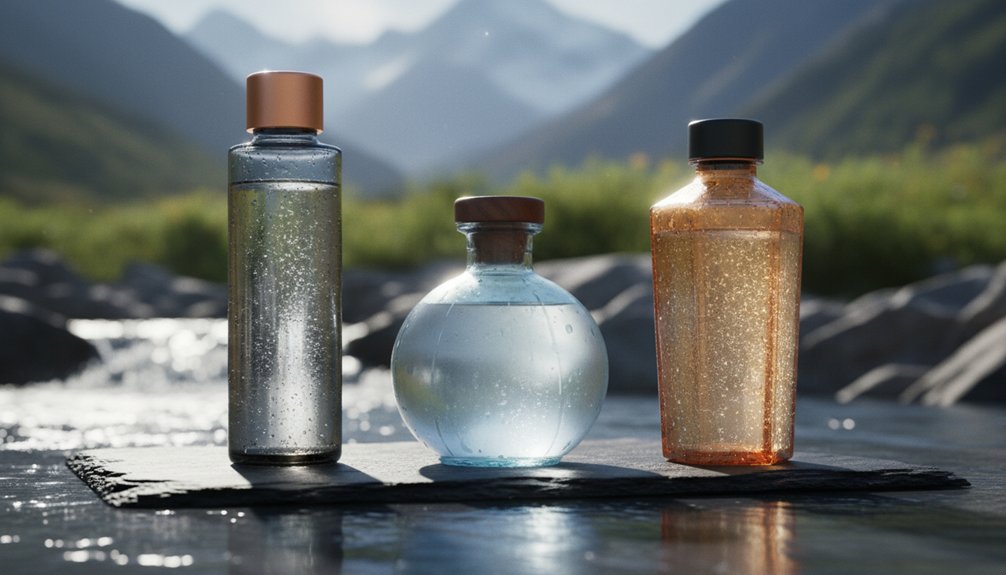
Judge a premium bottled water brand by what it can substantiate, not just by its price or packaging. Check whether its claims about taste, mineral content, filtration, and quality appear on the label or in accessible product information.
Compare bottle materials, sizes, and convenience with competing products, then decide whether those features justify the price you’ll pay.
Brand storytelling can make a product memorable, but you should distinguish a compelling narrative from verifiable details.
Celebrity endorsements may boost visibility and signal lifestyle positioning; they don’t prove superior quality.
Look for clear labeling, consistent specifications, and credible evidence behind any health or performance claims.
Consider whether the brand delivers a distinctive experience you value, such as design, portability, or a particular taste profile.
Your judgment should reflect both the product’s documented attributes and its fit with your budget, habits, and expectations.
How Do Premium Water Brands Choose Sources?
When you compare premium waters, check how brands verify source purity through regular testing and clear quality standards.
Look for specific origin details, since geology and climate can shape a water’s mineral profile and taste.
A credible brand connects that terroir to the bottle with traceable sourcing and evidence, not just evocative labels.
Source Purity
Premium bottled water brands choose sources for more than a pristine image: they assess geological protection, watershed conditions, and the risk of contamination.
When you compare products, look for brands that test water regularly for microbes, metals, pesticides, and other contaminants. Independent labs and transparent reporting help you judge whether purity claims rest on evidence, not packaging.
Source certification can add accountability by documenting inspections, testing protocols, and compliance with relevant standards. Ask whether a brand protects its watershed and monitors nearby land use, since pollution risks can change over time.
Water filtration may address specific impurities, but it doesn’t replace careful source management or clear disclosure. For you, the strongest purity proposition combines verified testing, responsible protection, and consistent quality controls—giving premium pricing a credible product benefit rather than relying on vague claims.
Origin and Terroir
A bottled water’s origin shapes its mineral profile, taste, and market identity. When you compare sources, look beyond scenic labels: geology, rainfall, elevation, and aquifer depth affect dissolved minerals and consistency. Water sourcing decisions also determine whether a brand can protect supply, document quality, and meet demand without stressing local resources.
Terroir influence gives each water a distinctive sensory and commercial profile. Limestone may contribute calcium and bicarbonate; volcanic rock can yield different mineral balances. These characteristics aren’t guarantees of superior taste, so brands test samples and monitor seasonal variation before selecting a spring or well.
You can assess their claims through published analyses, source details, and credible sustainability practices. A well-chosen origin supports a repeatable product story, but transparent evidence—not exotic geography alone—earns consumer trust and justifies premium positioning.
What Do Mineral Profiles Change About Taste?
Mineral content gives bottled water its distinct taste: calcium and magnesium can add a crisp, slightly bitter edge, while bicarbonate may soften acidity and sodium can bring a faint salty note.
Mineral composition also shapes mouthfeel, finish, and how water pairs with food, though the effect depends on concentration and balance. When you compare premium labels, check mineral levels on the label rather than relying on broad claims.
Taste influence can be subtle: dissolved solids may make one water feel rounder or more pronounced, while a low-mineral profile often tastes lighter. Brands use these differences to serve distinct preferences, from a clean, neutral sip to a fuller profile suited to meals.
Your own palate matters, so tasting side by side helps you identify which profile feels invigorating and worth choosing again.
How Does Bottle Design Set Brands Apart?
Beyond protecting the water, a bottle’s shape, material, and label help premium brands stand out on the shelf. When you compare options, a distinctive silhouette or tactile finish can make a product easier to recognize and hold.
Innovative packaging also supports practical use: a secure cap, clear pour, or compact profile can improve convenience without distracting from the water itself. Labels communicate origin, mineral content, and source details, giving you concrete reasons to choose one bottle over another.
Visual branding ties those cues together through color, typography, and restrained graphics. In a crowded retail set, consistent design helps you spot a familiar brand quickly, while premium materials and precise printing can signal quality.
The strongest bottle design balances shelf appeal, useful information, and everyday function.
Which Sustainability Practices Matter Most?
Sustainability claims matter most when brands back them with measurable practices, not just green packaging. When you compare premium bottled water, look beyond the label to the bottle’s material, weight, and end-of-life options. Recycled content can reduce demand for virgin plastic, while lightweight designs may lower shipping emissions.
Glass offers reuse potential, but its weight can increase transport impacts, so consider the full product system.
Strong recycling initiatives make disposal easier through clear instructions, collection partnerships, or refill programs. You’ll also want to see brands reduce energy use across bottling and distribution, then invest in renewable energy for operations.
Water stewardship matters, too: responsible sourcing and watershed protection help preserve the resource behind the product. These practices can distinguish a premium brand in a crowded market, especially when they improve packaging performance without compromising product quality.
How Can You Verify a Brand’s Claims?
Verify a premium water brand’s claims by checking its evidence, not just its marketing. Look for a complete source description, including location, aquifer or spring details, and bottling site.
Compare mineral content and purity statements with a recent, independent laboratory analysis; check the report’s date, methods, and tested contaminants.
If a brand cites certifications, confirm the issuing organization and scope rather than relying on a logo.
For packaging or environmental claims, seek measurable data, such as recycled content percentages or verified lifecycle assessments.
Clear disclosures help you distinguish product attributes from marketing strategies and assess whether brand storytelling matches documented facts.
Watch for vague terms like “pure” or “natural” without defined standards.
When information’s missing, ask the company for supporting records; a credible brand should answer specific questions without substituting slogans for evidence.
When Do People Choose Premium Bottled Water?
People choose premium bottled water when its source, mineral profile, packaging, or presentation fits a specific need—such as dining, travel, gifting, or an event.
At restaurants, you might select still or sparkling water to complement a meal or match the table’s service style.
While traveling, a sealed bottle with a distinctive mineral profile can offer a familiar choice in an unfamiliar setting.
For celebrations and corporate gatherings, luxury packaging can make water feel appropriate for the occasion and easier to present as a gift.
Brand storytelling also helps you choose: details about a spring, filtration method, or regional character give the product context.
Hotels, caterers, and retailers respond to these cues when curating assortments.
You’re most likely to reach for premium water when its format and identity suit the moment.
Is Premium Water Worth the Price?
Is premium bottled water worth the price? It depends on what you value. You may pay more for a specific mineral profile, natural carbonation, carefully sourced spring water, or packaging designed for convenience and presentation.
Check the label: mineral content, source, treatment, and bottle material offer more useful comparisons than vague claims about purity.
Luxury branding and marketing strategies also shape the price. Distinctive bottles, celebrity partnerships, and sustainability messaging can strengthen a brand’s appeal, but they don’t automatically improve taste or health benefits.
Evidence doesn’t show that premium water hydrates you better than safe tap water or standard bottled water.
If flavor, provenance, or an elevated dining experience matters to you, the premium may feel worthwhile. Otherwise, compare cost per liter and choose based on verified product features, not image alone.
Conclusion
Ultimately, you judge premium water by more than its label: source, mineral profile, packaging, and verifiable sustainability claims all shape what you’re buying. Compare those details with your taste, values, and budget; a higher price doesn’t guarantee a better fit. Choose a brand that can substantiate its story and deliver a difference you notice. In a crowded market, clear evidence beats polished promises—no crystal ball required. The best bottle earns its place in your routine, not just on the shelf.